





































High Interest Rates, Insecurity Threaten Survival of Private Hospitals – GMD
The Guide warned that high interest rates, rising operational costs and insecurity are pushing healthcare providers to the brink

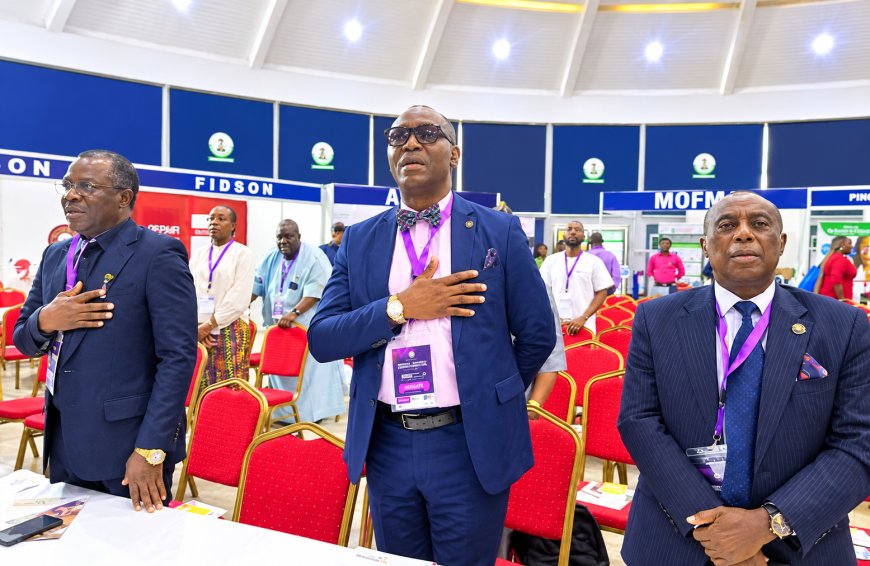
The Guild of Medical Directors, GMD, has raised the alarm over the growing economic and security challenges threatening the survival of private hospitals in Nigeria.


The Guide warned that high interest rates, rising operational costs and insecurity are pushing healthcare providers to the brink.
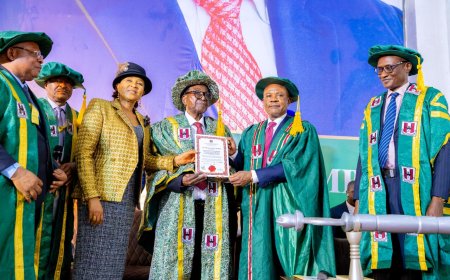
National President of the Guild, Dr Raymond Abiodun Kuti, raised the concerns at the Guild’s Annual General Meeting (AGM) and Scientific Conference held in Enugu, with the theme, “The Business of Medicine in the Present Economic and Security Challenges in Nigeria.”
Kuti and other healthcare stakeholders identified exorbitant electricity tariffs, the rising cost of medical consumables, high bank lending rates of up to 33 per cent and difficulties in retaining qualified medical personnel as major challenges confronting private healthcare facilities.

They warned that the combination of these factors was making it increasingly difficult for hospitals to sustain operations while maintaining acceptable standards of healthcare delivery.
Speaking at the conference, one of the participants, Dr. Odume, observed that the cost of running healthcare facilities had become increasingly unbearable, particularly with the high cost of electricity and the dollar-driven prices of medical consumables.
The stakeholders noted that although international healthcare standards demand quality patient care irrespective of location, the prevailing economic realities in Nigeria were making it difficult for private hospitals to meet those expectations.
They also highlighted the challenge of retaining skilled medical personnel, explaining that hospital owners were under pressure to provide competitive and sustainable remuneration for qualified workers despite dwindling financial resources and rising operating expenses.
On health insurance, the conference expressed concern over Nigeria's low insurance penetration, estimated at below 25 per cent, describing the situation as a major obstacle to expanding access to affordable healthcare.
The participants attributed the poor penetration partly to a deficit of public confidence in insurance providers, stressing that transparency, accountability and trust were essential to building a functional health insurance system.
They argued that without openness and transparency in the operations of insurance companies, many Nigerians would remain reluctant to subscribe to health insurance schemes.
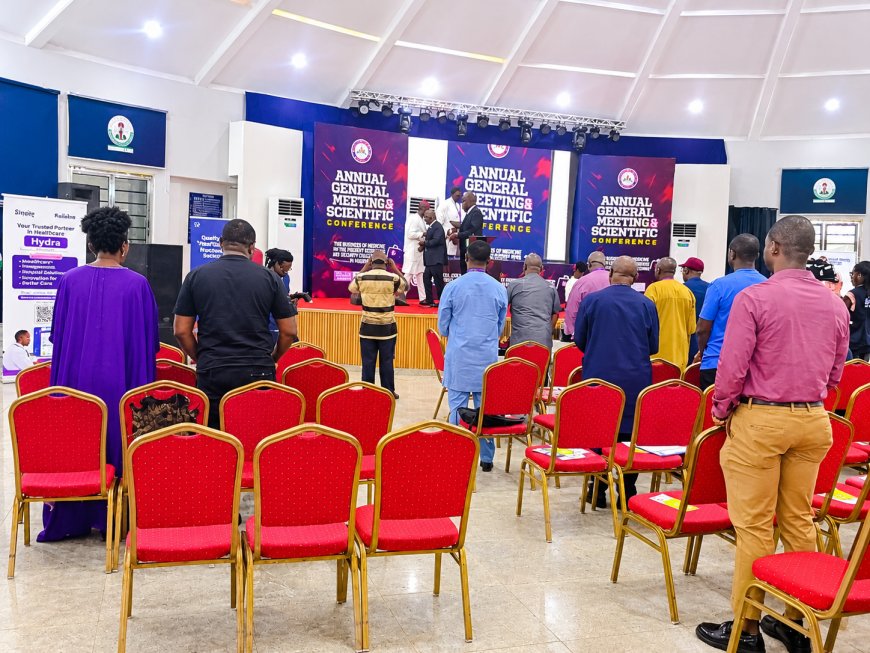
The conference also identified regulatory bottlenecks and strained relationships between healthcare operators and regulators as factors limiting investment, growth and innovation in the sector.
Beyond the economic challenges, the medical directors expressed concern over the increasing security risks confronting healthcare workers, particularly those operating in volatile environments.
They stressed that the safety of medical personnel was fundamental to the effective functioning of hospitals, adding that protecting healthcare workers would ultimately guarantee better patient care and strengthen the wider healthcare system.
The conference called on the Federal Government and relevant authorities to introduce urgent interventions to prevent the collapse of private healthcare facilities.
The stakeholders maintained that urgent government action was necessary to create a more sustainable operating environment for private hospitals, protect medical professionals and guarantee Nigerians access to quality healthcare services.
What's Your Reaction?
 Like
0
 Dislike
0
 Love
0
 Funny
0
 Angry
0
 Sad
0
 Wow
0