
































SEDC optimistic $100m South-East Gas Pipeline 'll Drive Industrial Growth
Tinubu lamented that manufacturers in Aba, Nnewi, Onitsha and other industrial centres had continued to depend heavily on generators

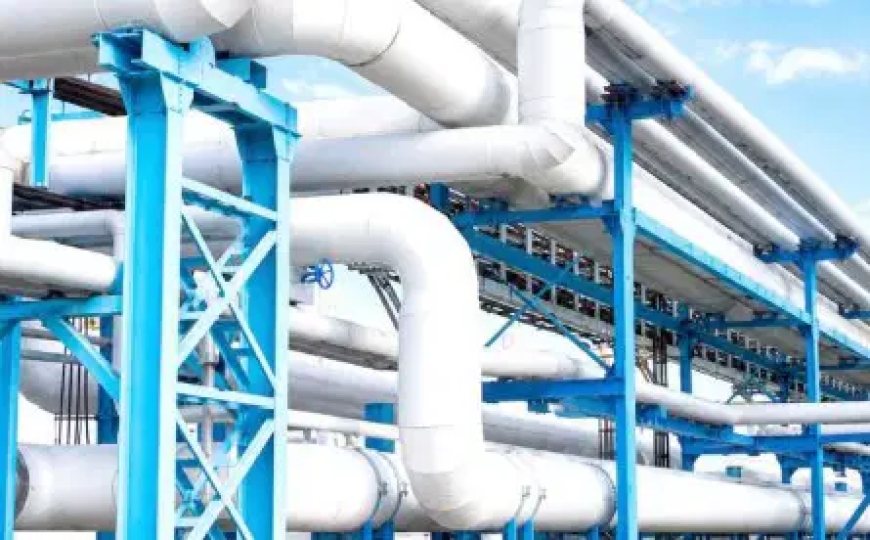
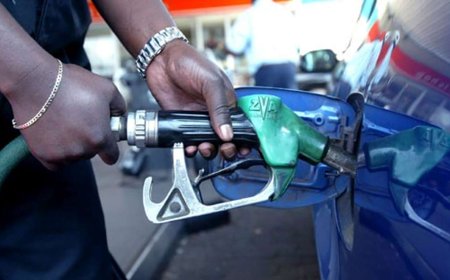
The South-East Development Commission (SEDC) has unveiled plans for a 400-kilometre gas distribution pipeline project estimated at $100 million, aimed at reducing energy costs, boosting industrial production and stimulating economic growth across the five South-East states.


The proposed project, which will connect natural gas resources around the Assa North-Ohaji gas processing facility in Imo State to major commercial and industrial centres across the region, is expected to provide manufacturers and businesses with access to cheaper and more reliable energy.
The initiative was unveiled at the South-East Gas Infrastructure Investment and Project Development Ceremony held in Enugu on October 27, 2026, through a partnership involving the SEDC, GasSync Limited, NNPC Gas Marketing Limited and other stakeholders.
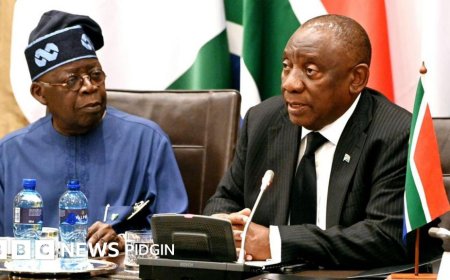
President Bola Tinubu, represented by the Deputy Speaker of the House of Representatives, Rt. Hon. Benjamin Kalu, described the project as a major step towards addressing the infrastructure deficit that has hindered the region's industrial development.
Tinubu lamented that manufacturers in Aba, Nnewi, Onitsha and other industrial centres had continued to depend heavily on generators, thereby increasing production costs and limiting their capacity to expand.
He said the resilience of South-East entrepreneurs should no longer be used to justify inadequate infrastructure, stressing that manufacturers should not spend more on generating electricity than on expanding their businesses.
According to him, the true value of Nigeria's natural gas resources should be measured by the factories they power, jobs they create and prosperity they generate.
Presenting the technical details, GasSync representative, Callistus Mba, said the proposed 400-kilometre pipeline would run from Assa North-Ohaji through Owerri, Aba, Onitsha and Enugu, with an extension to Ebonyi State.
He explained that construction would commence simultaneously from Assa North and Onitsha to accelerate project delivery.
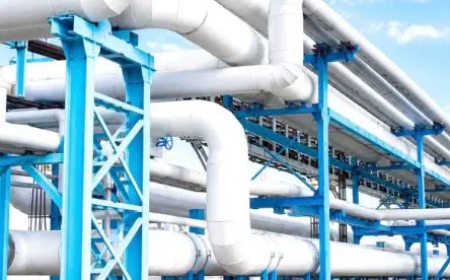
Under the proposed arrangement, a 24-inch high-pressure pipeline would transport gas from the source to Owerri, while 18-inch pipelines would serve major regional distribution corridors. Smaller 12-inch pipelines would connect industrial customers.
The infrastructure would also include city-gate facilities, pressure reduction and metering stations to ensure safe and efficient gas distribution.
Mba disclosed that preliminary assessments had identified more than 150 prospective customers across the five states, with estimated demand of about 254 million standard cubic feet of gas daily.
He said the project would provide an alternative to expensive compressed natural gas and liquefied natural gas transportation arrangements currently used by some businesses.
According to him, GasSync is already engaging prospective customers, including Geometric Power in Abia, while industrial opportunities have also been identified in Imo and Anambra states.
In Enugu, he said, the proposed revival of former industrial establishments, including ANAMMCO and Niger Gas Company, could create additional demand for natural gas.
He added that the company was also exploring opportunities to accommodate potential gas resources within Enugu State, including coal-bed methane, while agro-processing and other gas-dependent businesses in Ebonyi were being considered.
The initial phase of the project requires approximately $100 million, with the Federal Government expected to leverage private-sector investment and development partnerships to finance the infrastructure.
Tinubu said the government could not single-handedly finance every development project, emphasising the need for development institutions to mobilise private capital through credible investment opportunities.
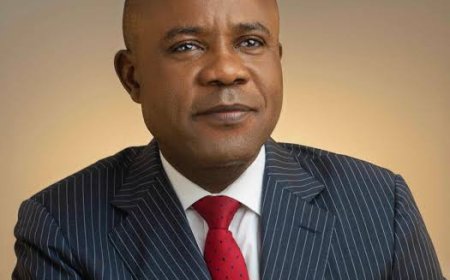
Enugu State Governor, Dr. Peter Mbah, described the initiative as a major opportunity to reposition the South-East as a competitive industrial and investment destination.
Mbah commended Tinubu for establishing the SEDC, noting that the commission provides an institutional framework for coordinated regional development.
He said the investment agreement signed at the ceremony marked the commencement of the investment process and demonstrated the importance of private-sector participation in infrastructure development.
The governor added that the project aligned with the long-standing aspiration of South-East governors to establish a common economic market and promote collective industrialisation.
According to him, the initiative would create employment opportunities and reduce the pressure on young people to migrate outside the region in search of greener pastures.
Representatives of the other South-East states also pledged support for the project.
Imo State Deputy Governor, Lady Chinyere Ihuoma Ekomaru, described the initiative as timely, particularly given the growing demand for gas from industries around the Assa North-Ohaji facility.
Anambra State Deputy Governor, Dr. Onyekachukwu Ibezim, urged host communities along the pipeline corridors to cooperate with the project promoters, stressing that community support would be critical to successful implementation.
His Ebonyi State counterpart, Mrs. Patricia Obila, said inadequate energy supply had contributed to the decline of several industries in the region, expressing optimism that the project would help revive moribund enterprises and generate employment.
Also speaking, Permanent Secretary, Federal Ministry of Regional Development, Dr. Mary Ogbe, described the SEDC as an important institution for improving the living standards of people in the South-East.
She said the commission was established to complement the development efforts of state governments and encouraged investors to explore the opportunities presented by the emerging regional infrastructure.
On the implementation timeline, GasSync disclosed that procurement processes had commenced, while funding arrangements were progressing towards financial close.
Construction is expected to begin in the first quarter of 2027, with the project targeted to achieve readiness for start-up and first gas delivery in the second quarter of 2028.
However, the promoters identified regulatory approvals, licensing, right-of-way arrangements, host-community engagement and agreements with prospective gas customers as critical requirements for meeting the timeline.
The project is expected to have far-reaching implications for the South-East economy, particularly in reducing energy costs, attracting new investments, improving manufacturing competitiveness and creating employment opportunities.
For a region whose economic strength is driven largely by manufacturing, commerce and entrepreneurship, stakeholders believe access to affordable natural gas could provide the energy foundation for a new phase of industrial expansion.
The success of the initiative, however, will ultimately depend on the timely completion of the pipeline and the ability to translate the proposed infrastructure into affordable energy, functioning industries and sustainable jobs.
What's Your Reaction?
 Like
0
 Dislike
0
 Love
0
 Funny
0
 Angry
0
 Sad
0
 Wow
0