





















2027: Nigerians Must Elect Competent Leaders to End Economic Hardship – Onoh
Onoh said that poverty had risen significantly, leaving more than 140 million Nigerians struggling to meet their basic needs


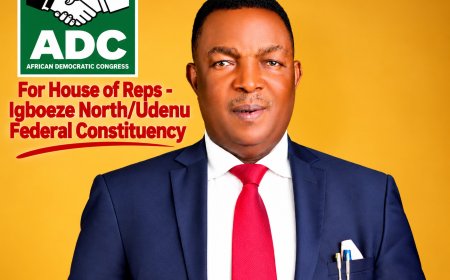
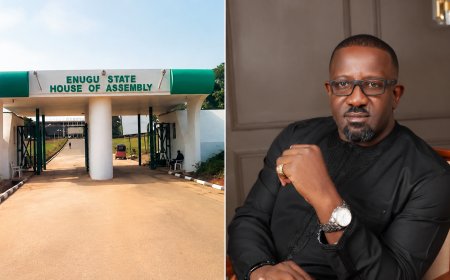
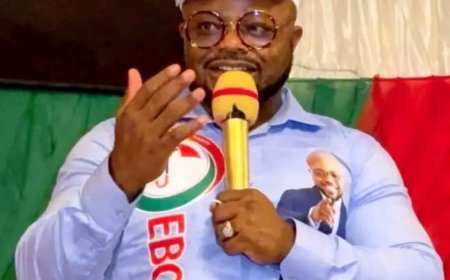
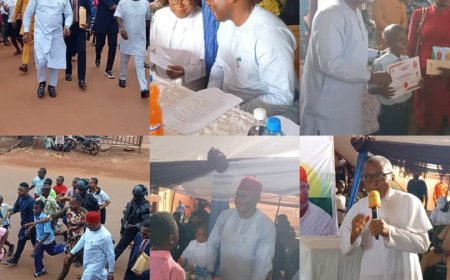
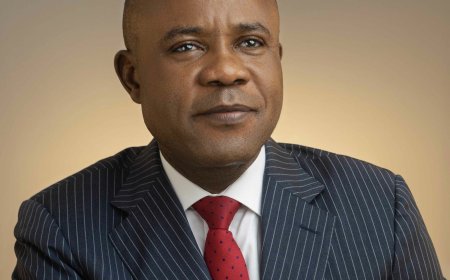
The Chairman of the Forum of Former Members of the Enugu State House of Assembly, Denge Josef Onoh, has urged Nigerians to elect competent and accountable leaders in the 2027 general elections to address the country’s worsening economic hardship and lift millions of citizens out of poverty.


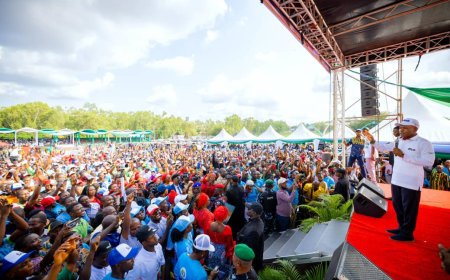
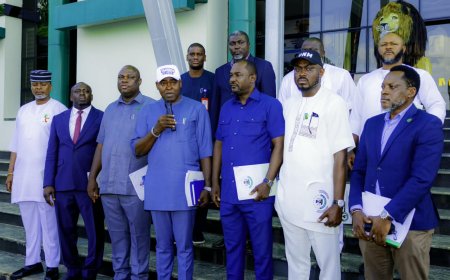
Onoh made the call on Wednesday day while addressing traders, importers and business communities from the South-East, South-South and Middle Belt regions in Apapa, Lagos, warning that the next general elections would be critical to Nigeria’s economic recovery.
He described the hardship experienced by Nigerians since May 2023 as one of the most severe declines in citizens’ welfare in the country’s democratic history, attributing it to the combined effects of fuel subsidy removal, foreign exchange reforms, rising inflation and the depreciation of the naira.
Citing figures he attributed to the National Bureau of Statistics (NBS) and the Global Multidimensional Poverty Index (MPI), Onoh claimed that poverty had risen significantly, leaving more than 140 million Nigerians struggling to meet their basic needs.
He also said that 17.9 million Nigerians had fallen into multidimensional poverty within three years, arguing that the situation had eroded previous gains in human development.
“The facts before us are stark, painful, and undeniable,” Onoh said, describing the economic situation as a daily struggle for survival for households across the country.
The former lawmaker noted that rising food prices and transportation costs had further weakened household purchasing power, forcing many families to devote a substantial portion of their income to food and other essential needs.
He cited increases in petrol prices and the depreciation of the naira against the United States dollar as major factors contributing to the rising cost of living.
According to him, the consequences of the economic reforms have gone beyond statistics, affecting the ability of ordinary Nigerians to afford food, education, healthcare and other necessities.
Onoh expressed concern that political leaders were increasingly preoccupied with building alliances to retain power ahead of the 2027 elections rather than addressing the economic challenges confronting citizens.
He specifically referenced the controversy surrounding the reported inclusion of opposition figures in the revised presidential campaign structure of the ruling All Progressives Congress (APC), including Federal Capital Territory Minister Nyesom Wike, Anambra State Governor Chukwuma Soludo and Osun State Governor Ademola Adeleke.
He argued that such political arrangements risked shifting attention away from governance and the welfare of citizens, particularly when they generated disagreements among party loyalists.
“While some political actors defend these moves as a practical ‘rainbow coalition’ necessary for electoral survival, it sends a dangerous signal to the electorate,” he said.
Onoh maintained that Nigerians should look beyond political alliances and assess candidates based on their capacity to deliver economic recovery, improve public services and promote accountable governance.
He described the 2027 general elections as an opportunity for Nigerians to demand a new direction in leadership and prevent further deterioration in living standards.
To achieve this, he outlined four priorities that should guide voters in choosing candidates: proven economic competence, investment in human development, fiscal accountability and inclusive governance.
He said the country needed leaders with realistic, evidence-based economic plans capable of stimulating productive activities, controlling inflation and promoting sustainable industrialisation.
He also called for greater investment in education, healthcare and infrastructure, arguing that long-term development could not be achieved through temporary relief measures alone.
On fiscal management, Onoh urged public officials to treat public resources as a trust, eliminate waste and block revenue leakages.
He further stressed the need for inclusive governance, insisting that national development would remain elusive if the majority of Nigerians continued to experience poverty and deprivation.
“The year 2027 is not just another standard election cycle; it is our collective opportunity for structural liberation,” he said.
Onoh urged voters to exercise their constitutional rights responsibly by electing leaders with vision, competence and integrity, adding that the country’s future depended on the choices Nigerians would make at the polls.
What's Your Reaction?
 Like
0
 Dislike
0
 Love
0
 Funny
0
 Angry
0
 Sad
0
 Wow
0