

























Enugu's 3 Yrs Visionary Governance: The Mbah Transformational Feat
Governor Peter Mbah administration has emerged as a compelling example of visionary leadership driven by measurable results rather than rhetoric.

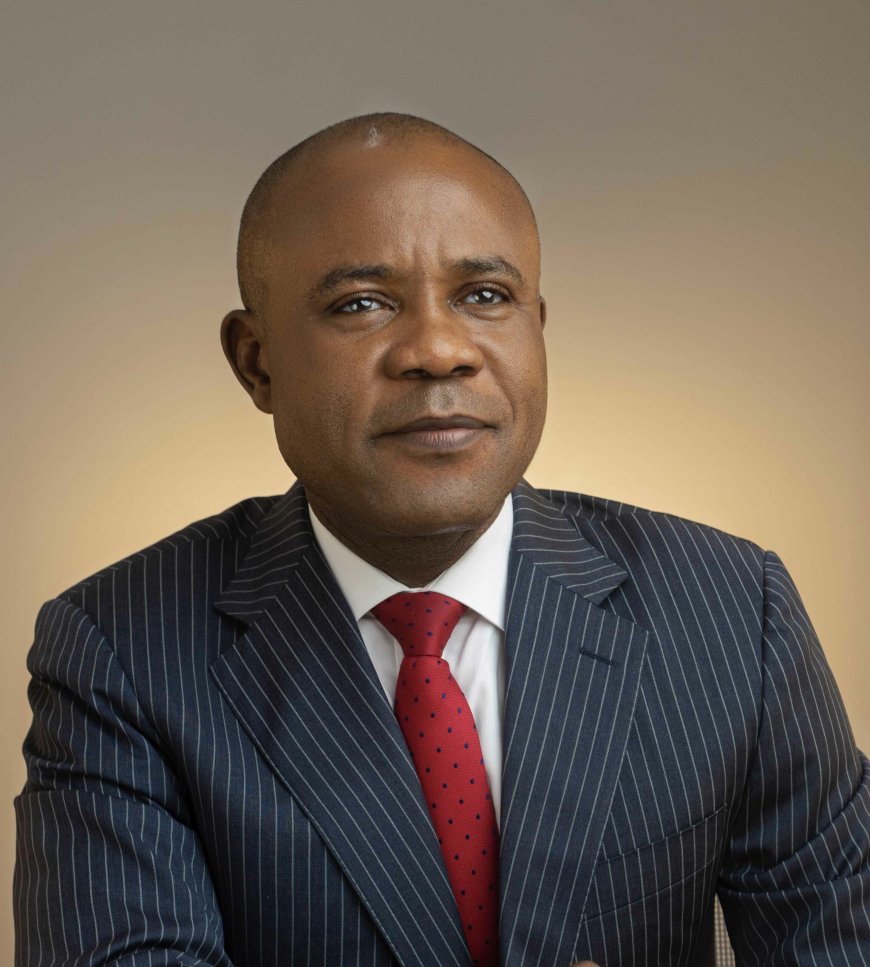
By Prince-Henry Hart Ucheonwu


By all measurable indices of leadership, governance and developmental impact, the administration of Peter Ndubuisi Mbah has, within a remarkably short period, altered the political and socio-economic trajectory of Enugu State with uncommon audacity, strategic foresight and an unmistakable governance philosophy rooted in people-oriented development.
As the state commemorates May 29, marking three years since Governor Mbah assumed office, the prevailing sentiment across communities, institutions and socio-political circles remains one of admiration for a leadership that has consistently translated promises into tangible realities. In an era where public confidence in governance is often tested by unfulfilled aspirations, the Mbah administration has emerged as a compelling example of visionary leadership driven by measurable results rather than rhetoric.
From the onset of his administration, Governor Mbah articulated a bold and ambitious vision: to reposition Enugu State from a largely civil-service-dependent economy into a modern, investment-driven and globally competitive subnational entity. Rather than allowing such aspirations to remain within the realm of political declarations, he embarked upon an aggressive implementation agenda that has today transformed the developmental landscape of the Coal City State.
Perhaps one of the most revolutionary pillars of his administration is the establishment of Smart Green Schools across the 260 political wards of the state. Conceived as a strategic intervention in educational reform, the initiative represents far more than the construction of school buildings. It embodies a deliberate effort to redefine learning through technology-driven education, digital literacy, innovation and modern pedagogical standards capable of preparing a new generation of globally competitive citizens.
Complementing this educational renaissance is the simultaneous establishment of Type-2 Primary Healthcare Centres in all wards of the state. In a country where access to quality healthcare remains a major challenge for rural populations, Governor Mbah’s healthcare revolution stands as a testament to governance anchored on inclusivity, social equity and human capital development. By taking healthcare infrastructure to the grassroots, the administration has demonstrated a profound understanding that the true essence of governance lies in improving the quality of life of ordinary citizens.
The administration’s infrastructural revolution has equally become one of its defining legacies. Across urban centres and rural communities alike, road construction and rehabilitation projects have continued at an unprecedented scale. Among the most celebrated of these interventions is the dualisation of the Enugu–Opi–Nsukka Road, a critical economic corridor long plagued by congestion and infrastructural decay. Today, the ongoing transformation of the route symbolises not merely road expansion, but economic connectivity, regional integration and enhanced commercial mobility.
Beyond road infrastructure, Governor Mbah has also demonstrated a strategic appreciation for economic revitalisation through industrial and hospitality sector reforms. The revitalisation of the iconic Presidential Hotel, once a fading monument of Enugu’s glorious past, reflects a deliberate attempt to restore investor confidence and reposition the state as a destination for tourism, commerce and international engagements.
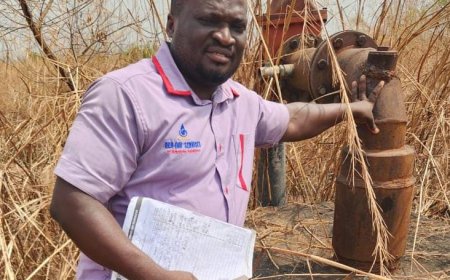
Similarly, the renewed attention to dormant economic assets such as Niger Gas and the Ohebedim Aluminium Factory underscores an administration determined to stimulate industrial productivity, create employment opportunities and expand the state’s internally generated revenue base. These interventions are not isolated projects; rather, they form part of a broader economic blueprint aimed at creating sustainable prosperity for future generations.
On the security front, Governor Mbah’s deployment of smart security infrastructure has significantly redefined the security architecture of the state. Through the integration of modern surveillance technology, rapid response mechanisms and coordinated intelligence systems, the administration has strengthened public safety and enhanced investor confidence. In a nation grappling with multifaceted security challenges, Enugu State has increasingly distinguished itself as one of the emerging safe havens for business and socio-economic activities.
Beyond governance and infrastructure, Governor Mbah has also earned commendation for his mature handling of internal party administration and democratic processes within the ruling party structure in the state. In the build-up to the forthcoming local government chairmanship and councillorship elections, the governor has demonstrated uncommon political restraint, fairness and institutional discipline by allowing the party’s nomination processes to flow transparently without undue interference or the imposition of preferred candidates on the people.
At a period when allegations of political manipulation and candidate imposition often dominate local political conversations across many states, the Enugu experience has presented a refreshing departure from such practices. Stakeholders across several local government areas have acknowledged the governor’s disposition towards internal democracy, consultation and consensus-building, thereby strengthening confidence in the integrity of the electoral process within the party.
This leadership approach has not only reduced political tension within the grassroots political structure but has also reinforced Governor Mbah’s image as a democrat who appreciates the sanctity of popular participation and the importance of allowing communities and party members to have a genuine voice in determining their political representatives. By resisting the temptation of excessive political control, the administration has projected an admirable culture of inclusiveness and political maturity capable of deepening democratic values in the state.
What distinguishes Governor Mbah’s leadership style, however, is not merely the scale of projects executed, but the disciplined urgency and administrative efficiency with which governance is being conducted. His approach reflects a rare blend of corporate precision, strategic planning and result-oriented public administration. Unlike the conventional culture of bureaucratic inertia often associated with governance in many parts of the country, the Mbah administration has cultivated a governance culture defined by timelines, execution and accountability.
Opinions across political divides have continued to acknowledge the governor’s uncommon work ethic, courage in policy implementation and unwavering determination to confront developmental challenges head-on. His administration has consistently projected the image of a government deeply conscious of history and determined to leave behind enduring legacies rather than temporary political spectacles.
Indeed, beyond infrastructure, political reforms and economic transformation lies perhaps the administration’s greatest achievement — the restoration of hope and confidence among the people. Across markets, communities, educational institutions and business circles, there is an emerging optimism that Enugu State is steadily reclaiming its place as a leading centre of innovation, enterprise and progressive governance in Nigeria.
As the third anniversary celebrations resonate across the state, the general belief is that Governor Mbah’s performance has significantly altered the political equation ahead of the 2027 elections. His administration’s visible developmental strides have not only strengthened public trust but also reinforced the perception of a government genuinely committed to transformational leadership.
In the words of a political observer from another state and from a different political party during a private interaction, Governor Mbah’s leadership has become “a remarkable testimony of vision, competence and purposeful governance.” Such commendations reflect a growing bipartisan acknowledgment that development, when genuinely pursued, transcends political affiliations.
Undoubtedly, history will remember this era as a defining phase in the evolution of modern Enugu State — a period marked by bold reforms, infrastructural renaissance, democratic inclusiveness and visionary governance under the stewardship of Governor Peter Ndubuisi Mbah.
As Ndi Enugu mark this significant milestone, the prevailing consensus remains unmistakable: the state is witnessing a new dawn driven by leadership that combines vision with action, ambition with execution, and promises with performance.
Prince-Henry writes from Igboetiti/Uzo-Uwani Federal Constituency, Enugu State
What's Your Reaction?
 Like
0
Like
0
 Dislike
0
Dislike
0
 Love
0
Love
0
 Funny
0
Funny
0
 Angry
0
Angry
0
 Sad
0
Sad
0
 Wow
0
Wow
0