























Gowon’s belated attempt to distort history
To be sure, Gowon’s narrative minimizes the reality that the federal government structurally sabotaged the best chance for a peaceful resolution

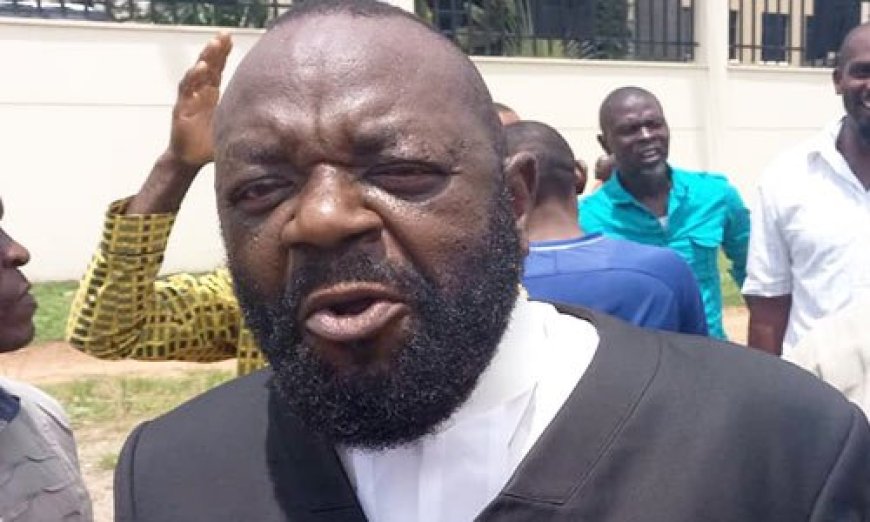
By: ALOY EJIMAKOR


The publication of Yakubu Gowon’s memoir has predictably reignited debates over the Nigerian Civil War. By claiming that Odumegwu Ojukwu "deliberately and effectively thwarted every effort" at peace, Gowon presents a selective history.
While Ojukwu had adopted a principled posture, laying the blame entirely at his feet conveniently obscures Gowon’s own pivotal failures, most notably, his betrayal of the Aburi Accord and the execution of a war that left Nigeria profoundly fractured.
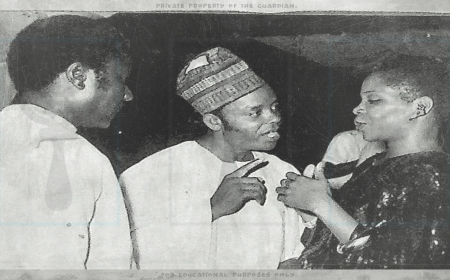
To be sure, Gowon’s narrative minimizes the reality that the federal government structurally sabotaged the best chance for a peaceful resolution. In January 1967, both leaders met in Aburi, Ghana, agreeing to a loose confederation to de-escalate tensions following the horrific 1966 anti-Igbo pogroms.
Upon returning to Lagos, Gowon succumbed to pressure from federal civil servants and British diplomats who feared a loss of central power. Gowon unilaterally issued Decree No. 8, which stripped the core elements of the Aburi agreement.
By reneging on this signed framework, Gowon destroyed political trust, leaving the Eastern Region isolated and handing Ojukwu the political capital to declare secession in good faith.
So, while Gowon successfully preserved Nigeria’s geographic borders by force, his administration failed to foster emotional or structural integration. Post-war economic policies—such as the controversial £20 flat-payout given to Biafran bank depositors regardless of their pre-war savings—deeply alienated the Igbo population, institutionalizing a sense of marginalization.
By prioritizing a military victory over a genuine political settlement, Gowon presided over a forced amalgamation. The persistent ethnic tensions and neo-Biafran agitations that convulse Nigeria today serve as living proof that the underlying structural defects of the federation were never resolved.
All in all, Gowon’s memoir reads less like an objective historical record and more like an effort to absolve his administration of its broken promises and strategic blunders. By placing the entire burden of failure on Ojukwu, Gowon dodges accountability for a war that saved the map but fractured the soul of Nigeria forever.
What's Your Reaction?
 Like
0
Like
0
 Dislike
0
Dislike
0
 Love
0
Love
0
 Funny
0
Funny
0
 Angry
0
Angry
0
 Sad
0
Sad
0
 Wow
0
Wow
0