










































How Informed Counselling Can Boost Family Planning Uptake, Dispel Myths
For many women, fear of side effects has been a reason for their inability to take active steps toward acting on their intentions or need for family planning services


By Joan Idu


Family planning is the process that allows individuals and couples with the use of counselling, methods, and medical services, to decide if, when, and how many children to have through the use of contraception.
While speaking to Mrs. Kadijah Rabiu; a family planning user and mother of two who started using family planning after her first child, conceived her second child after 4 years, and is about to get back into family planning, Daily insider learned that although she is literate and open to the various contraceptive choices available, she is also skeptical that the one she had wanted to switch to(implant) seems to have led to a higher complication to her close friend, therefore this fear has prevented her from switching methods, as she would rather stick to hers (injectable).
For Mrs Kadijah, although her monthly period ceased for six months until she got off the method to try for her second child, In terms of her experiences with side effects, she also explained that while she added weight, and her friend using another method lost weight, another friend of theirs neither added excessive weight, nor lost significant weight while using family planning. This suggests that possible side effects may result from individual body types, medical history, specific methods, and many other factors.
Experts explained that some common side effects of various modern methods may include weight gain in some women, heavier bleeding, cessation of monthly flow, mild headaches, and cramps. Although those symptoms are explained to occur within a short period and are not supposed to be severe, proper counselling from trained providers equip women to understand which method is associated with each symptom and how compatible it is with each woman before deciding on its use.
As these fears continue to prevail, efforts to encourage greater adoption of modern contraceptive methods for family planning may not be successful unless an informed, rights-based contraceptive counselling approach is widely implemented. Putting this into consideration, organisations such as MSI Nigeria Reproductive Choices, a member of the MSI Reproductive Choice Global Network, have taken the bull by the horns through their interventions, evident in their training of health care workers, family planning implementers and primary health care providers in quality counselling, sensitisation and family planning service delivery protocols.
Similarly, MSI Nigeria directly offers a range of short-term, long-term and permanent methods, with a view to giving women the opportunity to choose what is right for them and their future through proper counselling. According to available MSI data, MSI Nigeria, through one of its service delivery approaches called the Outreach Channel,
visits about 9,699 sites across the country annually, designed to reach the underserved, poor, vulnerable and mostly rural populations.
The Outreach Channel operates in 32 states across the country and, in 2025, delivered an estimated 2.6 million Couple Years of Protection (CYPs), a metric used for measuring the volume of distributed contraceptives such as pills, condoms, implants, or IUDs, and in turn, the number of years of pregnancy protection supplied through Family Planning.

A component of the intervention to ensure quality counselling and the confidential provision of information on contraception and family planning, is the MSI Nigeria Contact Centre. It provides awareness, counselling support, and a continuum of care, and offers information and support before, during, and after care. It also refers clients to a network of safe, youth-friendly providers and follows up with clients to ensure quality of service. During a recent clinical service provider training session, over a thousand family planning service providers were trained in the first quarter of 2026 across the country. The Country Director, Emmanuel Ajah, explained, “recognising that stronger health systems begin with stronger
providers, we have made health workforce capacity strengthening a core pillar of our strategy by equipping health care providers with the knowledge, practical skills and support they need, while strengthening the public health system through expanding access to quality family planning services for women and girls across Nigeria.” The organisation conducted more than 60 competency-based training sessions across 12 states in the country; a total of 1,283 health care providers completed these sessions which covered Long-Acting Reversible Contraception (LARC) Insertion and removal, Infection prevention and control, family planning, quality counselling, and incident management. Participants included nurses, midwives, community health extension workers, and community health officers, all of whom play critical roles in expanding access to quality sexual and reproductive health care at primary health care levels.
To measure the success of these efforts, MSI Nigeria uses Client Exit Interview (CEI), an annual client survey, to determine the level of impact and satisfaction from clients about the quality of the service received from its providers. A key indicator for that survey is the Method Information Index (MII), which examines the quality of information that a client perceives has been given to her to support her decision for a method of choice. As at year 2025, MSI Nigeria’s total score from clients on this indicator is an average of 75% across all channels of service provision including; Outreach, Public Sector Strengthening and MS Ladies.
The journey to achieving Nigeria’s FP 2030 commitment of 27% modern contraceptive
prevalence by the year 2030 is a concerted one. However, for many women of reproductive age, there remain some barriers to accepting these modern methods.
For many women, fear of side effects has been a reason for their inability to take active steps toward acting on their intentions or need for family planning services.
Like many other medications and medical procedures, there are some side effects associated with family planning, but these are neither associated with all the methods, nor with everyone who receives a method.
Medically, side effects refer to the various ways in which an individual’s body reacts to medications or new introductions to the body system. For family planning, experts explain that various women may react to various methods. Hence, the advice is to always seek services through a trained provider for proper counselling, examination and identification of the most suitable method for each individual.
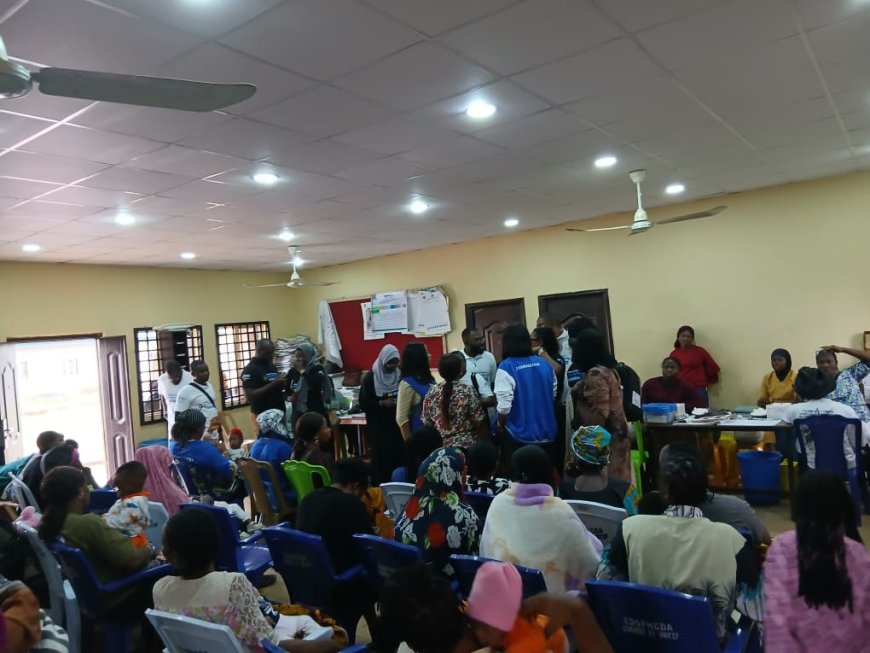
This underscores the importance of the need to also take up services at designated service delivery points with the use of quality techniques, which are a key component of competence assessment of trained providers.
The key to addressing these myths is for trained professionals to ensure that everything about family planning and the peculiarity of each method is explained to users and basic tests are conducted before providing a method; for the contraceptives that require routine tests before initiation, and for some others that do not, quality counselling, education and communication, remain paramount before uptake.
Informing users about these side effects ahead of time, helps them make an informed decision about what works best for their body, as well as their responsibilities in ensuring the effectiveness of the methods they are using and the best ways to minimise any possible side effects or even the required psychological preparations to understand the harmlessness of most side effects, if they occur.
But unfortunately, due to many reasons associated with literacy, inadequate quality information and myths, most women rely on negative information from friends and relatives to shape their perspectives on side effects, and this undermines the efforts in expanding access, preventing a wide acceptance of the various sexual and reproductive health choices available to users, and in turn, hindering the pace of the gains of family planning which include primarily ensuring women and families having children by choice not by chance, that is, preventing unintended pregnancies, bringing maternal mortality rate to its barest minimum by improving the health and survival rates of mothers and babies, preventing teenage pregnancies, reducing the chances of pregnancy related health risks, giving individuals more control over their education, careers, and future, among many others.
Data from the Nigeria Demographic and Health Survey (NDHS) 2023-24 reports that the acceptance of family planning and modern contraceptive prevalence rate(mCPR) among married women in Nigeria remains relatively low at 15%, while sexually active unmarried women report a higher acceptance and usage rate of 38%. Implants make up 6% of those statistics, while Injectables are 4%. These are the most common methods among married women, while male condoms (26%) dominate among sexually active unmarried women.
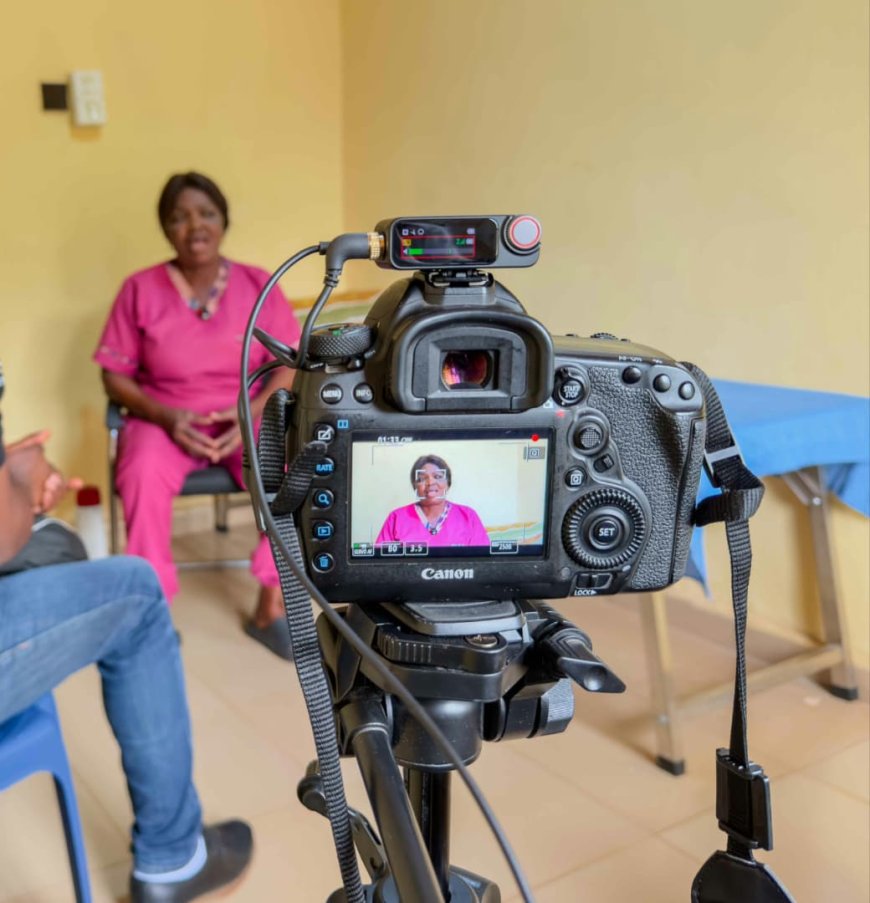
During a journalists’ field visit to St. Philomena School of Nursing Sciences in Benin City, Edo State, Dr. Christiana Ijeghede, a retired Director of Nursing and Matron of the State School of Midwifery, who is also a knowledgeable family planning provider, emphasised the importance of visiting a trained service provider for proper counselling in family planning. This allows the provider to gain background knowledge of the user's medical history and health status, helping to ensure little or no side effects. She noted that a user with a tendency towards increased blood pressure is counselled against a particular hormonal method due to its specific nature. She also mentioned that during such counselling, users are made aware of the roles they are to play in ensuring that the methods they are using are as safe as possible, and that if or when complications arise, they are to visit the centre immediately, get examined, have a solution proffered, and, where necessary, have the method changed to a more suitable one. This touches on the need for more friendly family planning providers and for more male involvement. If health services are of poor quality or providers discourage certain methods due to bias, this may not yield as much result, thereby the need for training and monitoring.
While these training sessions have proven productive, there is a need for their replication by Government Institutions, Medical and Nursing Training establishments, Health Agencies and other Non-governmental organisations to achieve wider reach, ensuring the
training and retraining of more family planning providers, especially in public health facilities, to reduce women’s fears arising from rumours and myths associated with the side effects of modern family planning methods and to minimise the side effects where they occur.
If more health centres do not adopt this in-depth quality counselling method, and if family planning providers are not as friendly as they ought to be, these myths and fears may still persist, with their significant impact on the progress of expanding access to modern family planning towards Nigeria’s 2030 mCPR target. Therefore, these new approaches to counselling are recommended for widespread implementation to achieve greater results.
While working to achieve the above, the following questions remain food for thoughts:
How consistently is quality counselling delivered? What happens after training? Is provider competence reassessed? Do public facilities have commodities and privacy? Does counselling measurably reduce discontinuation driven by misinformation?
What's Your Reaction?
 Like
0
Like
0
 Dislike
0
Dislike
0
 Love
0
Love
0
 Funny
0
Funny
0
 Angry
0
Angry
0
 Sad
0
Sad
0
 Wow
0
Wow
0