





























NMA Seeks Rural Incentives, Telemedicine to Boost Healthcare in Enugu
Edoga said most doctors were concentrated in urban centres, leaving rural communities with limited access to medical services. He stressed the need for urgent structural interventions rather than relying solely on training new doctors, which could take up to six years

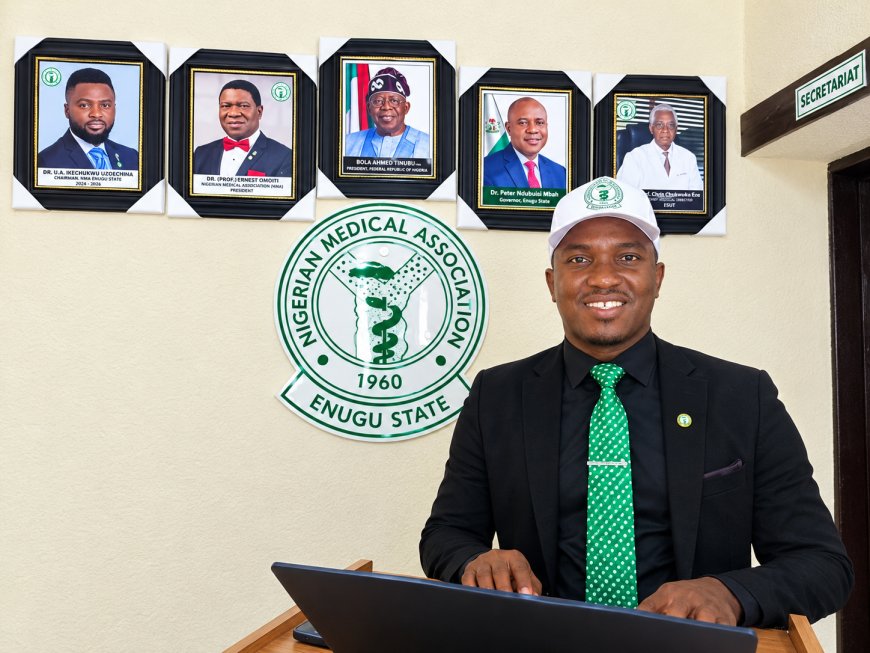
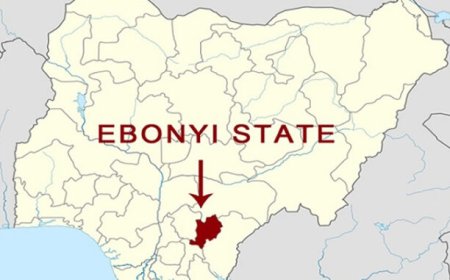
The Nigerian Medical Association (NMA), Enugu State chapter, has called for improved incentives for doctors in rural communities, expanded telemedicine services and reforms to strengthen primary healthcare delivery across the state.
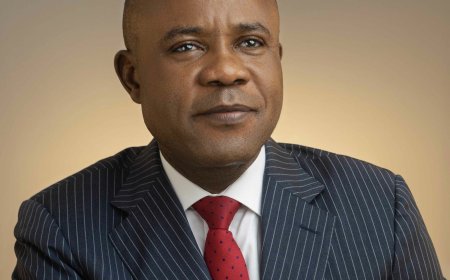
The NMA Chairman, Dr. Chima Edoga, made the call on Monday during a press conference to mark the 2026 Physicians’ Week, highlighting the uneven distribution of medical personnel despite Enugu’s estimated 2,000 doctors serving a population of three to four million.
Edoga said most doctors were concentrated in urban centres, leaving rural communities with limited access to medical services. He stressed the need for urgent structural interventions rather than relying solely on training new doctors, which could take up to six years.
He advocated better remuneration, improved working conditions and adequate accommodation and security to attract and retain doctors in underserved areas.
Drawing lessons from Delta State, which he said attracts more National Youth Service Corps (NYSC) medical personnel through competitive pay, Edoga proposed enhanced financial packages for corps-member doctors posted to rural facilities.
He also recommended incentives for urban-based specialists to conduct outreach consultations in remote communities and stronger support systems to encourage healthcare workers to remain in rural postings.
As part of efforts to address healthcare gaps, Edoga announced plans for a comprehensive medical outreach in Uzo-Uwani Local Government Area, targeting up to 1,000 people.
The exercise is expected to include between 50 and 100 specialised surgeries, covering cataracts, pterygium and other eye conditions, alongside screenings for HIV, hepatitis B and C, diabetes and glaucoma.
He said the initiative would also establish lasting links with local healthcare workers to ensure patients receive follow-up care after the outreach.
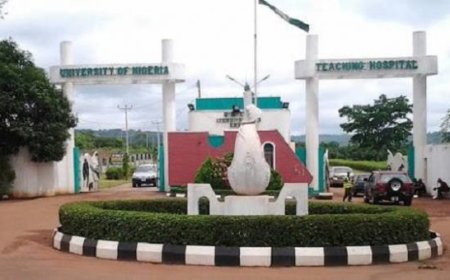
On primary healthcare, the NMA chairman expressed concern that many patients bypass primary and secondary facilities to seek treatment at tertiary hospitals, including ESUT Teaching Hospital and the University of Nigeria Teaching Hospital.
He cited the growing number of Type-3 and planned Type-2 primary healthcare centres in Enugu State, including a facility in Nara that reportedly attended to nearly 500 patients in one day, as evidence of their potential to improve access to care.
Edoga said primary healthcare centres could manage basic diagnostics and early-stage illnesses, reducing unnecessary pressure on tertiary hospitals.
He further proposed dedicated communication channels linking rural health workers with urban-based specialists through telemedicine, enabling frontline personnel to obtain expert guidance without patients having to travel long distances.
He said the combined measures would help bridge healthcare inequalities and improve access to quality medical services across Enugu State.
What's Your Reaction?
 Like
0
 Dislike
0
 Love
0
 Funny
0
 Angry
0
 Sad
0
 Wow
0