






















Nigeria Fails U.S. Fiscal Transparency Test for Second Year
The report said Nigeria’s budget documents did not provide a substantially complete picture of government revenue and expenditure

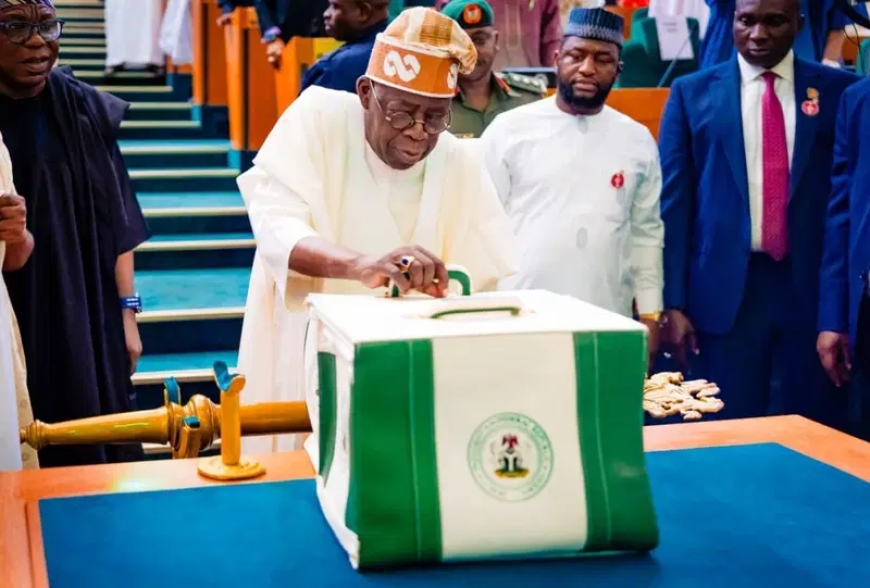
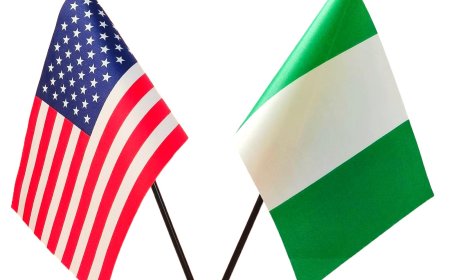
Nigeria has failed the minimum fiscal transparency requirements of the United States for the second consecutive year, with the U.S. Department of State saying the country made no significant progress in improving the openness and management of its public finances in 2025.


The verdict was contained in the 2026 Fiscal Transparency Report, which assessed 139 governments and the Palestinian Authority. Only 73 met the minimum standards, while 67 failed, including Nigeria. Of the countries that failed, 14 recorded significant progress, but Nigeria was among 53 that made no progress.
The report said Nigeria’s budget documents did not provide a substantially complete picture of government revenue and expenditure, while actual revenues and spending did not reasonably correspond with the enacted budget.
It also faulted the government for failing to publish its executive budget proposal within the required timeframe and raised concerns about the independence and effectiveness of the Office of the Auditor-General of the Federation.
The U.S. further criticised Nigeria for limited public access to procurement contracts and insufficient disclosure of key details surrounding natural-resource concessions.
However, the report acknowledged that Nigeria made its enacted budget and end-of-year report publicly available and disclosed information on government debt, including major state-owned enterprise obligations.
The U.S. recommended that Nigeria publish its executive budget proposal on time, provide detailed revenue and expenditure breakdowns, explain significant deviations between approved and actual spending, strengthen the independence of the Auditor-General and make procurement information more accessible.
Reacting, Special Adviser to President Bola Tinubu on Media and Public Communication, Sunday Dare, said fiscal transparency, accountability and effective public financial management remained priorities of the Federal Government.
Dare said the report should be viewed as an external benchmark rather than a complete assessment of Nigeria’s fiscal reforms, noting ongoing initiatives including the Open Treasury programme, debt disclosures and public procurement reforms.
BudgIT, however, agreed with several of the report’s findings. Its Country Director, Vahyala Kwaga, said while the composition of Nigeria’s federal budget was generally clear, budget implementation reporting remained a major weakness.
Kwaga also criticised the lack of independence of the Auditor-General’s office, vague capital expenditure provisions and limited disclosure of procurement processes, arguing that contract and bidding information was often unavailable to the public.
The report comes amid growing criticism of Nigeria’s budget implementation and concerns over overlapping fiscal years, vague allocations, constituency projects and large lump-sum provisions.
With the 2027 budget cycle approaching, the U.S. assessment is likely to intensify calls for greater transparency, stronger auditing and clearer disclosure of how public funds are raised and spent.
What's Your Reaction?
 Like
0
Like
0
 Dislike
0
Dislike
0
 Love
0
Love
0
 Funny
0
Funny
0
 Angry
0
Angry
0
 Sad
0
Sad
0
 Wow
0
Wow
0