




























(VIDEO) Onoh slams Gowon's 'Palm Tree Shooting' Interview, demands apology to Ndigbo
Gowon had said the observation led him to conclude that “most of the bullets fired by the Nigerian army hit palm trees, not the Biafra people.”

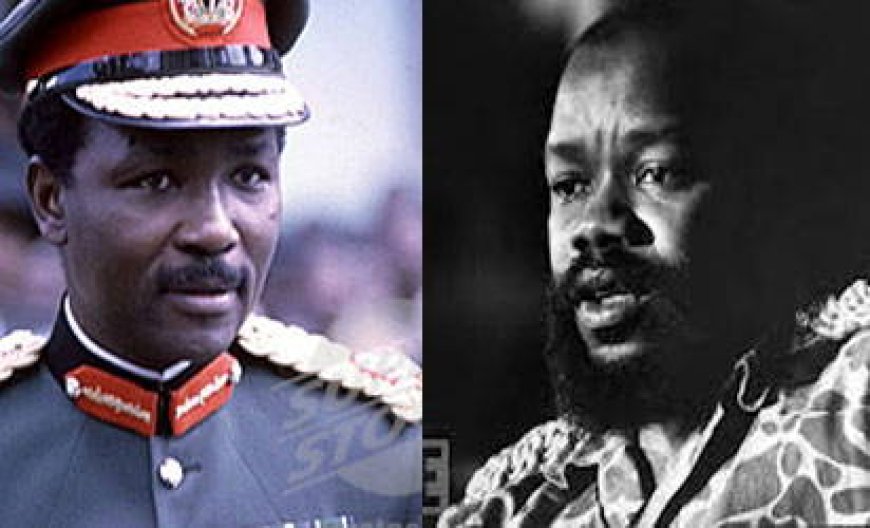
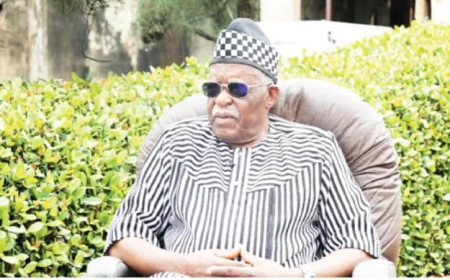
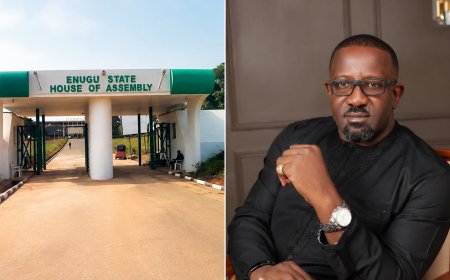
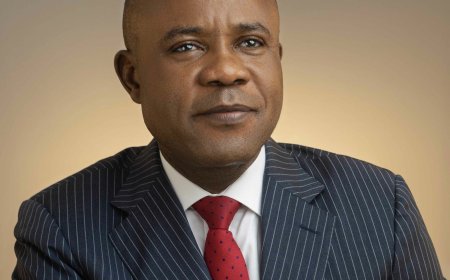
Chairman of the Forum of former Enugu State House of Assembly members and ex-Southeast spokesman for President Bola Tinubu, Denge. Josef Onoh, has condemned retired Gen. Yakubu Gowon’s recent remarks on Arise TV about civilian casualties during the Nigerian Civil War, describing them as a minimization of the conflict’s human cost.


In a statement on Sunday, Onoh took issue with Gowon’s claim that, after visiting former Biafran territories post-war, he saw black spots on palm trees and was told they were bullet marks.
Gowon had said the observation led him to conclude that “most of the bullets fired by the Nigerian army hit palm trees, not people.”
Onoh said the account “strains credulity” and contradicts historical records, eyewitness testimonies, and international reports on the war.
He noted that the conflict, which lasted from 1967 to 1970, resulted in an estimated three million deaths, most from starvation and disease linked to the federal blockade, alongside documented civilian deaths from combat, bombings, and reprisals.
“Reducing these horrors to bullets harmlessly striking palm trees does not withstand basic scrutiny,” Onoh said. “It ignores the well-documented humanitarian crisis, including widespread kwashiorkor among children, mass displacement, and the human cost of prolonged fighting across the former Eastern Nigeria region.”
Onoh also questioned the reliability of Gowon’s autobiography _My Life of Duty and Allegiance_, arguing that the book extends the same defensive narrative. He said Gowon’s framing of the war as a reluctant “police action” for unity, while placing primary blame on Biafran leadership and minimizing the effects of pre-war pogroms and the blockade, reads more as personal vindication than a balanced historical reckoning.
The former lawmaker acknowledged Gowon’s post-war policies of “No Victor, No Vanquished” and the 3Rs — Reconciliation, Rehabilitation, and Reconstruction — but said a truthful account must also confront the pain inflicted.
“Excusing or deflecting core atrocities through anecdotes like the palm trees story undermines trust in the entire account,” he said.
Onoh urged Nigerians, particularly in the Southeast, to approach Gowon’s book critically, saying honest national healing requires acknowledging the full human cost of the conflict. He cited examples of former U.S. Defense Secretary Robert McNamara and Lt. William Calley, who later expressed remorse for their roles in the Vietnam War, and German leaders who apologized for World War II atrocities.
“In light of this, General Gowon owes the Igbo people a simple, sincere apology for the suffering endured during the war. Not that this simple act means anything, but it means everything. Your apology will be remembered as a true general and statesman’s act of healing that shall be the prelude to a lasting victory," Onoh demanded.
Watch the interview where Gown claimed that trees other that human beings were shot in the Eastern region during the war, through the link below 👇
https://www.facebook.com/share/v/18e3BvRXbz/
What's Your Reaction?
 Like
0
Like
0
 Dislike
0
Dislike
0
 Love
0
Love
0
 Funny
0
Funny
0
 Angry
0
Angry
0
 Sad
0
Sad
0
 Wow
0
Wow
0