
























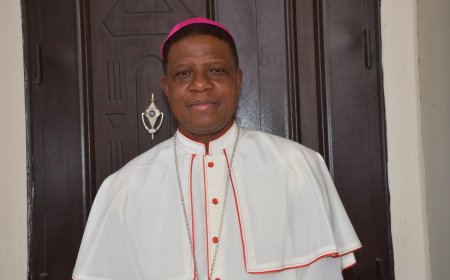

Why APC Lost the Osun Governorship Election
Onoh said that elections are won through effective grassroots mobilisation, party unity, a strong campaign structure and a convincing message to voters

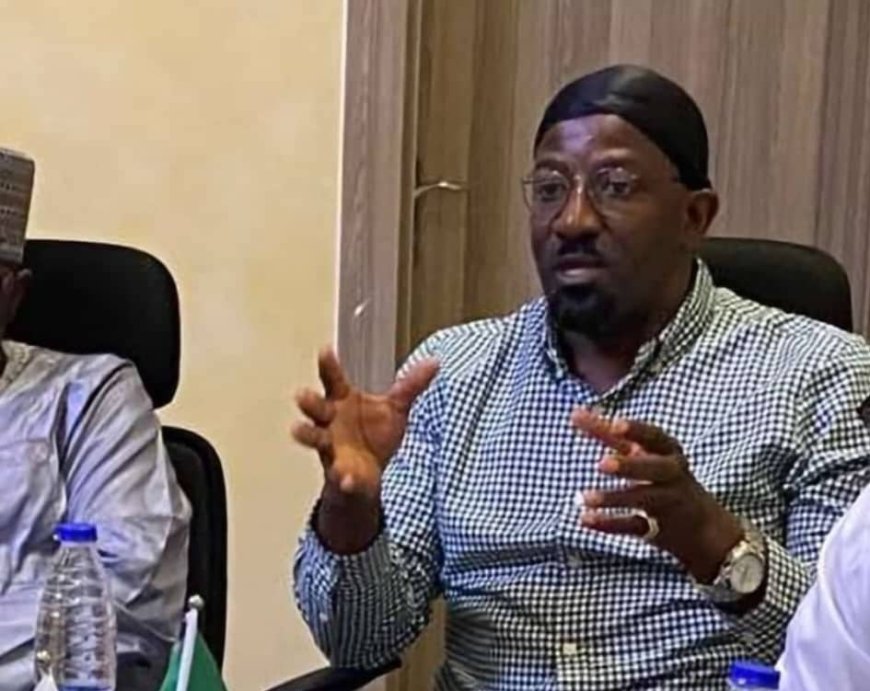
The All Progressives Congress (APC) lost the Osun State governorship election not because of the temporary freezing of state government bank accounts by the Economic and Financial Crimes Commission (EFCC), but largely because of deep-seated internal divisions, alleged anti-party activities and the failure of party leaders to unite behind their candidate.


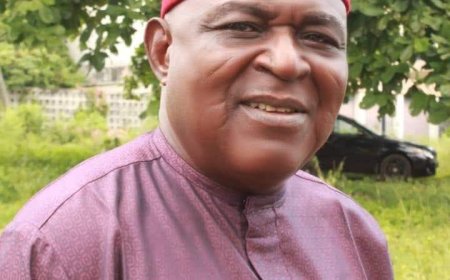
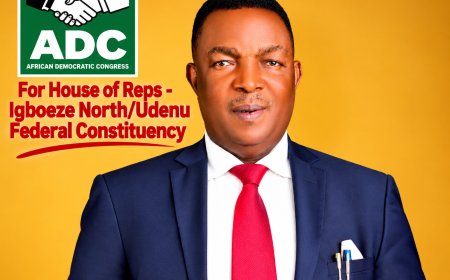
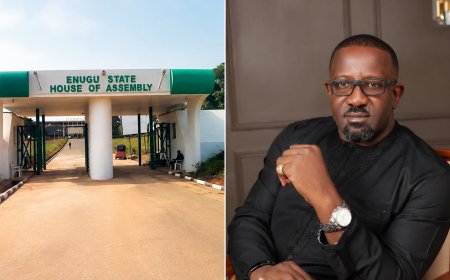
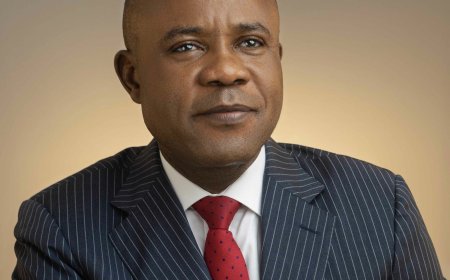
This was the position of Denge Josef a Onoh, former Southeast spokesman to President Bola Ahmed Tinubu and Chairman of the Forum of Former Members of the Enugu State House of Assembly.
Reacting to attempts to blame the EFCC account restrictions for the party’s defeat, Onoh described the argument as a political distraction designed to conceal the deeper problems that weakened the APC before and during the election.
According to him, —not through last-minute access to government funds.
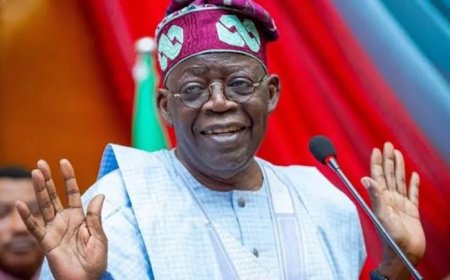
Onoh argued that the Osun APC leadership failed to take advantage of what he described as the tangible achievements of President Bola Ahmed Tinubu’s administration to sell the party to the electorate.
He said the Federal Government had recorded significant reforms and delivered projects and policies that could have formed the basis of a strong campaign message, but party leaders in Osun failed to sufficiently connect those achievements with the aspirations of voters.
Internal Division Weakened APC
Onoh identified internal factionalism as one of the major reasons for the APC’s poor performance.
He alleged that influential party members spent more time fighting one another than building a united campaign structure capable of challenging the incumbent.
“ You cannot go into a major election with a house divided against itself and expect victory,” Onoh stated.
He further alleged that some prominent APC leaders and their loyalists engaged in anti-party activities by withdrawing support for the party’s candidate and allegedly working for the opposition in some local government areas.
According to him, such actions weakened the APC’s traditional voting base and deprived the party of the coordinated grassroots mobilisation required to win the election.
Candidate Was Allegedly De-marketed
Onoh also accused some internal detractors of deliberately de-marketing the APC candidate instead of campaigning for him.
He said rather than presenting the candidate’s programmes and the achievements of the APC administration, some party members allegedly promoted narratives that portrayed the candidate as weak or unpopular.
He argued that such internal attacks ultimately benefited the opposition by providing it with campaign material against the APC.
Failed Reconciliation Efforts
The former presidential spokesman also pointed to the failure of reconciliation efforts within the party.
He said national and regional leaders made attempts to resolve the disagreements through reconciliation meetings and other interventions, but some aggrieved members allegedly refused to compromise.
Onoh said the refusal of party stakeholders to resolve their differences before the election deepened the crisis and made it difficult to present a united front to voters.
Poor Grassroots Mobilisation
According to Onoh, another major weakness was the alleged failure to effectively mobilise voters in some areas on election day.
He claimed that some local party leaders failed to provide the necessary logistics and grassroots mobilisation needed to get supporters to polling units.
He said this created gaps that the opposition was able to exploit.
EFCC Account Freeze Not the Main Issue
Onoh maintained that the EFCC could not be blamed for the APC’s electoral defeat because the anti-graft agency did not conduct the election, campaign for candidates or determine how voters cast their ballots.
He argued that attributing the defeat to the temporary restriction of government accounts was an attempt to avoid confronting the real problems within the party.
For him, the Osun result should instead serve as a warning to the APC that internal cohesion, credible leadership, grassroots engagement and respect for democratic structures are critical to electoral success.
Onoh also said President Tinubu had demonstrated commitment to democratic competition by allowing the election to take place without the alleged use of federal power to manipulate the outcome.
APC's Real Problem Was Internal
In conclusion, Onoh said the APC’s defeat in Osun was largely self-inflicted.
He argued that the party had the opportunity to campaign on the achievements of the Tinubu administration and present a united political structure, but internal disagreements, alleged anti-party activities, factional warfare and poor grassroots mobilisation weakened its chances.
According to him, the lesson from Osun is that a political party cannot expect electoral victory when its own leaders are divided against themselves.
He therefore urged APC leaders to look beyond the EFCC account controversy and confront the internal weaknesses exposed by the election, warning that unless the party resolves its divisions, similar problems could affect its fortunes in future elections.
What's Your Reaction?
 Like
0
Like
0
 Dislike
0
Dislike
0
 Love
0
Love
0
 Funny
0
Funny
0
 Angry
0
Angry
0
 Sad
0
Sad
0
 Wow
0
Wow
0