
























EXCLUSIVE: PVC Before Help - Ogbuefi’s Bold New Philanthropy Proposal
Chief Chukwuemeka Agbo argues that financial assistance should not only relieve hardship but also inspire citizens—especially youths—to participate in shaping the society they live in

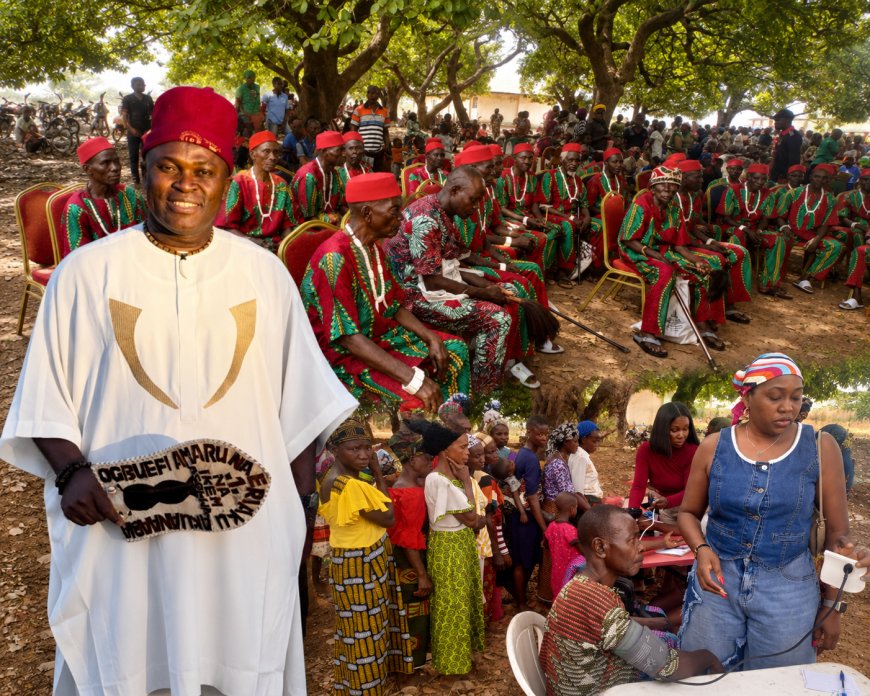
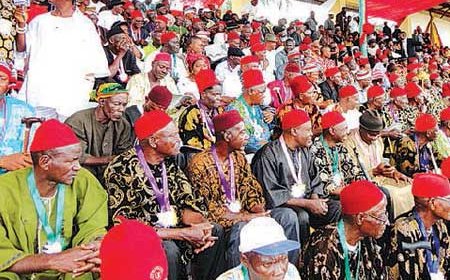
In many communities across Ala Igbo, philanthropy is woven into the fabric of everyday life. A school fee is paid for a struggling student. A trader receives capital to restart a business. A sick neighbour gets assistance with hospital bills. A young graduate is given money to pursue a dream. During difficult times, wealthy sons and daughters of the soil often step in where government intervention appears inadequate.


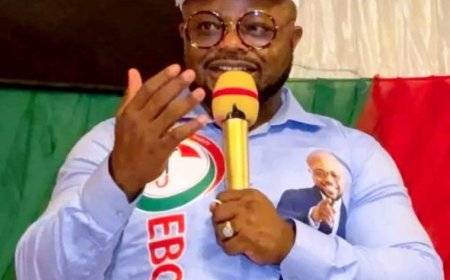
But what if, alongside the financial assistance, beneficiaries were also encouraged to take responsibility for the future of their communities? That is the question at the heart of a provocative proposal by community leader, philanthropist and entrepreneur, Chief Chukwuemeka Agbo, Ogbuefi n’Ikem Asokwa.
Agbo wants Philanthropic individuals across Ala Igbo to consider making possession of a Permanent Voter’s Card (PVC) a condition for accessing routine financial assistance, empowerment packages and other forms of non-emergency support. His argument is simple but potentially far-reaching: philanthropy should not only help people survive; it should also help build responsible citizens.
A PVC Before Assistance?
Under the proposal, beneficiaries seeking support from philanthropic individuals, community benefactors, foundations, businesses and other organisations would be encouraged to present a clear copy of their PVC, showing both the front and back, as evidence of voter registration.
For Agbo, the idea is not about turning charity into punishment. Rather, he sees it as an incentive—a way of connecting the assistance people receive today with the kind of society they will live in tomorrow.
“The presentation of a valid PVC would serve as evidence of civic engagement and would be a prerequisite for receiving such assistance,” he stated.
The proposal comes at a time when voter apathy and political disengagement remain major concerns, particularly among young Nigerians who constitute a significant proportion of the population. Agbo believes that those who benefit from scholarships, business grants, empowerment programmes, financial assistance and other interventions can also be encouraged to understand that citizenship comes with responsibilities.
From Charity to Civic Responsibility
For decades, philanthropy in many Igbo communities has been closely associated with social responsibility. Successful individuals are often expected to give back to their villages, towns, communities and wider society. The forms of assistance vary—from building schools and churches to sponsoring students, supporting businesses, paying medical bills and helping families during difficult periods.
Agbo's proposal seeks to add another dimension to that tradition. He wants philanthropy to become not only a means of redistributing wealth but also a platform for promoting civic consciousness.
“Helping people is good, but helping people to become responsible citizens is even better,” he suggests.
In his view, a person who receives assistance from society should also understand the power he or she possesses as a citizen. That power, he argues, includes the ability to vote, scrutinise political leaders, demand accountability and participate in determining who governs.
Why the Youth Are Central to the Proposal
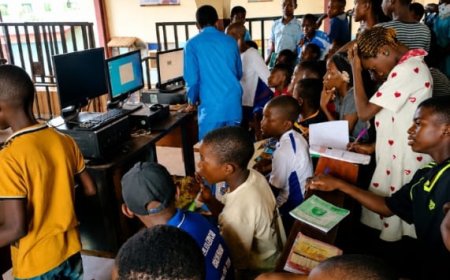
The proposal places particular emphasis on young people. Across Nigeria, many young people are politically vocal on social media but remain disconnected from the formal electoral process. Others complain about poor leadership while showing little interest in voter registration or voting. Agbo believes philanthropy could help bridge that gap. A wealthy businessman supporting 100 young entrepreneurs, for instance, could encourage those beneficiaries to register to vote and understand the issues affecting their communities. A philanthropist funding scholarships could incorporate civic education into the programme.
The objective would not simply be to produce more PVC holders. It would be to produce more informed citizens who understand what their votes mean. Agbo believes that young people should not grow into a culture of permanent dependence on political office holders, wealthy individuals or community benefactors. Instead, they should recognise that they have the democratic power to influence the quality of leadership around them.
The Bigger Question: What Does the PVC Really Represent?
For Agbo, the PVC is more than a plastic card. It represents access to one of the most important instruments available to citizens in a democracy—the vote. A PVC, however, is meaningless if it remains locked away in a drawer on election day. That is why Agbo's proposal goes beyond registration. He wants beneficiaries to understand how elections work, examine candidates, assess their records and make informed choices.
He also wants citizens to move beyond voting along ethnic, religious or patronage lines. Candidates, he argues, should be judged on competence, integrity, programmes, performance and track record. In that sense, the proposal is not simply about putting more PVCs into people's hands. It is about changing what citizens do with the power represented by those cards.
But Can Charity Have Conditions?
The proposal inevitably raises a difficult question: Should people have to prove their civic participation before receiving help?
Agbo recognises the concern. He therefore draws a distinction between routine assistance and emergencies. A person battling a medical emergency, victim of a disaster, facing extreme hardship or confronted with circumstances beyond their control, he says, should not be abandoned simply because they do not have a PVC.
The proposed requirement, he explains, should primarily apply to structured and non-emergency interventions such as empowerment programmes, grants, scholarships and routine financial assistance. Reasonable exceptions, he suggests, could be established for genuine humanitarian situations. This distinction is important because the fundamental purpose of philanthropy is to assist people in need—not to create another barrier for vulnerable citizens.
A Voluntary Movement, Not a Political Weapon: Agbo is also calling for the proposal to be implemented voluntarily. He wants individual philanthropists, families, foundations, businesses, community associations and other organisations to decide whether and how to adopt the principle.
He is equally calling for transparency and fairness in its application. Most importantly, he wants voter education to accompany the initiative. Simply demanding a PVC without teaching citizens why their vote matters, he argues, would miss the point. The goal should be to encourage informed participation rather than political manipulation.
Could Philanthropy Become a Tool for Democratic Renewal?
The wider implications of the proposal extend beyond the individual beneficiary. Imagine hundreds of wealthy individuals across Ala Igbo adopting civic participation as part of their empowerment philosophy. Thousands of young entrepreneurs receiving business support could become registered voters. Thousands of students receiving scholarships could become more conscious of governance.
Thousands of families receiving assistance could become more interested in how public resources are managed. The cumulative effect, Agbo believes, could be significant. It could transform philanthropy from a largely private relationship between benefactor and beneficiary into something with a broader civic purpose.
The Fine Line Between Incentive and Exclusion
Yet the idea also demands careful consideration. Critics could argue that access to humanitarian assistance should never depend on political participation. Others may question whether possession of a PVC necessarily proves that someone will vote or participate responsibly. There is also the question of privacy, fairness and the possibility of the requirement being abused by individuals seeking to discriminate against people who do not share their political preferences. These are issues that any serious implementation would have to address.
For the proposal to achieve its stated objective, it would need to remain voluntary, non-partisan, transparent and respectful of legitimate humanitarian needs.
Most importantly, possession of a PVC must never become a licence for anyone to dictate how another citizen should vote.
A New Social Contract?
At its heart, Agbo's proposal is asking Ala Igbo to rethink an old relationship between wealth and society. The wealthy have resources. The community has needs. Philanthropy provides a bridge between the two. But Agbo wants that bridge to carry something more than money. He wants it to carry civic consciousness. His underlying message is that communities cannot build a better future simply by helping individuals one after another. They must also empower those individuals to participate in deciding the direction of the society.
Assistance can put food on the table. Education can open a door. Business capital can create an income. But responsible citizenship can influence the system that determines whether those opportunities continue to exist. That is the philosophy behind Agbo's proposal.
The Debate Has Begun: Whether Philanthropic individuals across Ala Igbo will embrace the idea remains to be seen. But Agbo believes it is a conversation worth having. He is calling on community leaders, philanthropists, youth organisations, civil society groups, businesses and other stakeholders to examine the proposal, debate its merits and develop safeguards that would prevent abuse.
For him, the ultimate objective is neither politics nor punishment. It is the creation of a culture where citizens understand that receiving from society and contributing to society are two sides of the same responsibility. And perhaps that is the most provocative part of the proposal. The question is no longer simply whether a philanthropist should give. It is whether, in giving, the philanthropist can also inspire the beneficiary to become a more active participant in building the society from which that assistance came.
In Ogbuefi's vision, the PVC is not merely a card. It is a reminder that every citizen has a stake—and a voice—in the future of Ala Igbo.
What's Your Reaction?
 Like
0
Like
0
 Dislike
0
Dislike
0
 Love
1
Love
1
 Funny
0
Funny
0
 Angry
0
Angry
0
 Sad
0
Sad
0
 Wow
0
Wow
0