
















Mbah’s Mega Projects Face Test of Public Value, Sustainability — Agbo
He urged the government to publish verifiable data on school construction costs, expenditure per pupil, teacher availability, learning outcomes, accessibility and long-term maintenance

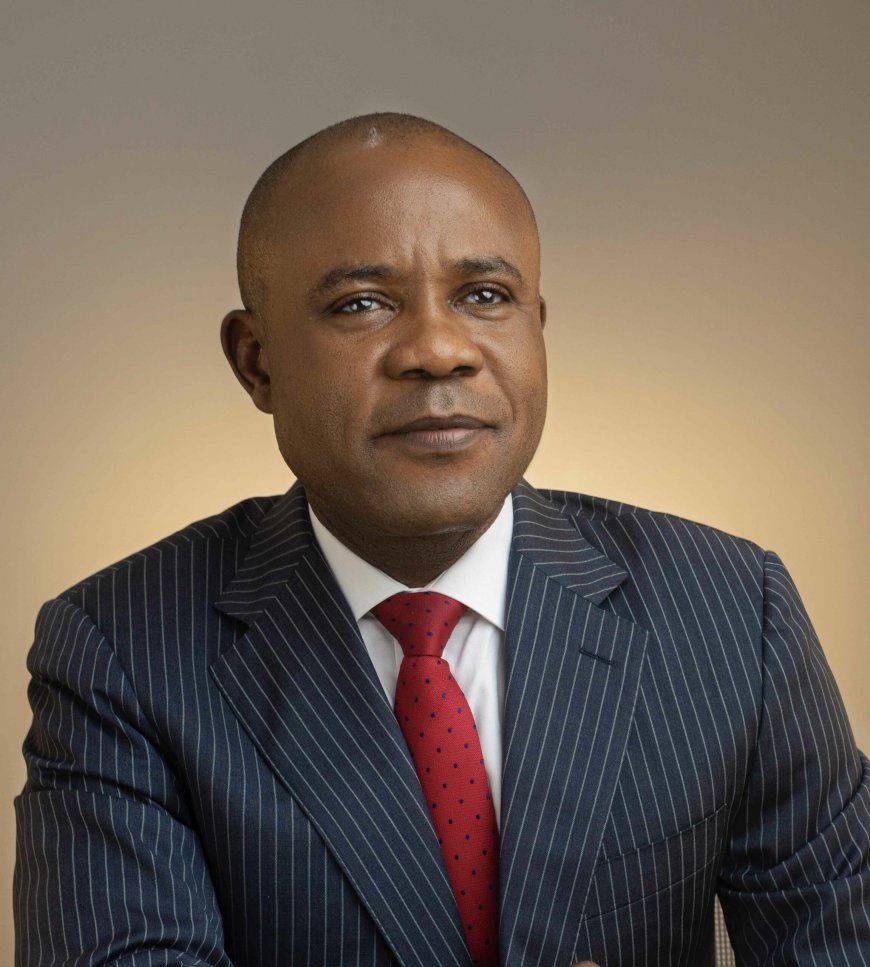
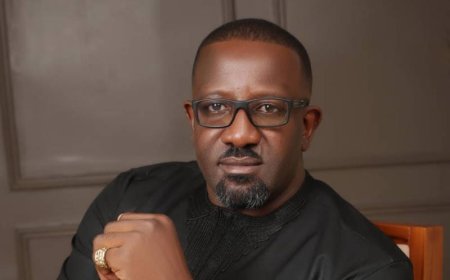
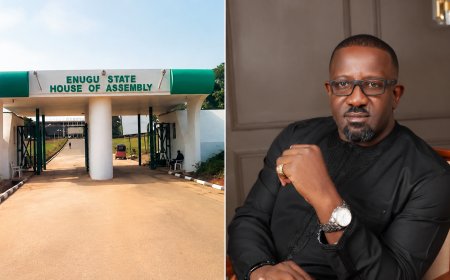
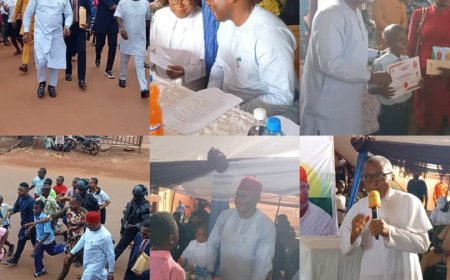
A lawyer and political scientist, Okey Gideon Agbo, has called for an independent assessment of Governor Peter Mbah’s development projects in Enugu State, arguing that their success should be measured by improvements in citizens’ welfare, productivity and economic opportunities rather than the number of projects executed.


In a socio-political and economic critique titled “The Mbah Administration in Enugu State: A Socio-Political and Economic Critique of Developmentalism,” Agbo acknowledged the administration’s ambitious investments in roads, education, healthcare, agriculture, aviation, security technology, housing, water infrastructure and urban development, but questioned their cost-effectiveness, sustainability and impact on ordinary residents.
He cited the state’s 2026 budget of approximately N1.617 trillion, with about N1.296 trillion, representing 80 per cent, allocated to capital expenditure, while education accounts for approximately 32.27 per cent.
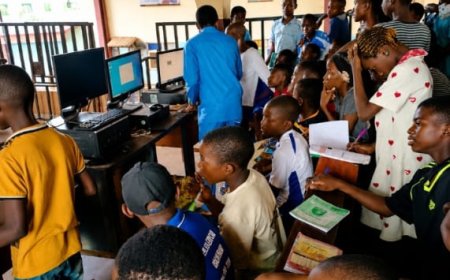
Agbo identified the Smart Green Schools programme as a major test of the administration’s development model, citing reported allocations of N266.7 billion in 2025 and approximately N198 billion in 2026.
While acknowledging the programme’s potential to modernise education, he questioned whether the expenditure adequately addressed teacher recruitment and training, school feeding, scholarships, vocational education, special-needs education and the rehabilitation of existing schools.
He urged the government to publish verifiable data on school construction costs, expenditure per pupil, teacher availability, learning outcomes, accessibility and long-term maintenance.
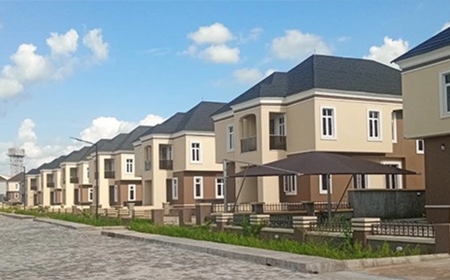
The political scientist also raised concerns about the simultaneous implementation of numerous mega-projects, including 260 healthcare centres, Enugu Air, the International Conference Centre, Hotel Presidential, the Smart City, agricultural estates, housing and transport terminals.
According to him, the scale of the projects could strain the government’s capacity for procurement, supervision, quality control and maintenance, potentially resulting in cost overruns, delays and underutilised facilities.
On the economy, Agbo cited reported growth in Enugu’s internally generated revenue from N26.8 billion in 2022 to N37.4 billion in 2023, N180.5 billion in 2024 and N406.7 billion in 2025.
However, he argued that rising government revenue does not automatically translate into improved household incomes, employment, manufacturing output, agricultural productivity or purchasing power.
He also questioned the reported composition of the 2025 revenue, which he said comprised approximately 12.6 per cent tax revenue and 87.4 per cent non-tax revenue, warning that excessive reliance on fees, charges, licences, land transactions and government assets could burden residents and businesses.
Agbo called for transparent revenue data and independent cost-benefit assessments of Enugu Air, the International Conference Centre, the Smart City, agricultural estates and Smart Green Schools to establish their economic returns, operating costs, employment impact and distribution of benefits.
He further stressed that infrastructure development must translate into tangible social gains, including reduced poverty and inequality, improved rural livelihoods, lower transport costs, better healthcare outcomes and stronger household purchasing power.
Agbo maintained that the administration should neither be judged solely by government publicity nor dismissed through opposition rhetoric.
“Mega-projects can be instruments of development, but they are not development itself,” he argued, insisting that the ultimate test of the administration would be whether its investments improve human welfare, strengthen institutions, create productive opportunities and leave the state with sustainable public finances.
He urged Ndi Enugu to demand accountability not only for the money spent and projects completed, but also for the measurable public value created by every naira invested.
What's Your Reaction?
 Like
0
 Dislike
0
 Love
0
 Funny
0
 Angry
0
 Sad
0
 Wow
0