


























IPC Raises Alarm Over NBC Directive Restricting Broadcasters’ On-Air Opinions
The International Press Centre Lagos has raised objections against the recent restrictive directive by NBC against on-air broadcasters


Our Reporter


The International Press Centre (IPC) has expressed concern over a recent directive issued by the National Broadcasting Commission (NBC), warning that it could undermine media freedom and democratic accountability in Nigeria.
In a statement released Tuesday in Lagos, IPC said the April 17 notice by the NBC, which cites alleged breaches of the NBC Code in news and political programming, may signal a renewed attempt to constrain the constitutional role of the media.
The NBC’s notice reportedly raises issues around professionalism among broadcasters and the misuse of platforms by political actors, while placing media organisations on formal notice of stricter enforcement measures and sanctions for violations.
Concerns Over Restrictive Provisions:
IPC highlighted Section 1.10.3 of the NBC Code as particularly troubling. The provision prohibits presenters and anchors from expressing personal opinions on air.
While the rule is intended to ensure neutrality, IPC argued that it risks limiting journalistic analysis, interpretation, and context-driven reporting.
The organisation also pointed to several other sections of the Code it described as broadly worded and open to restrictive interpretation.
According to IPC, sweeping enforcement of such provisions could suppress legitimate criticism, discourage investigative journalism, and promote self-censorship within the media.
IPC stressed that freedom of expression is guaranteed under Section 39 of Nigeria’s Constitution and supported by international frameworks, including Article 19 of the Universal Declaration of Human Rights and other global standards protecting the right to share information and opinions.
Risk to Editorial Independence:
The group warned that excessive regulatory discretion by the NBC could lead to overreach, threatening editorial independence and silencing dissenting voices.
While acknowledging the importance of maintaining professional standards and curbing misinformation and hate speech, IPC cautioned against measures that could penalise journalists for clearly identified opinions expressed in good faith.
It noted that such sanctions may conflict with internationally accepted press freedom standards and undermine the broader goal of fostering informed public discourse.
Implications for Democracy:
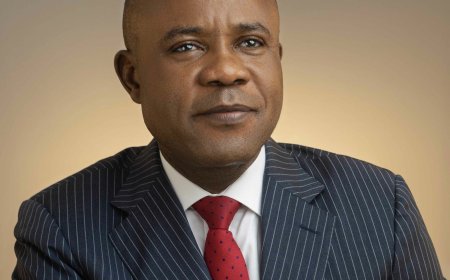
IPC Executive Director, Lanre Arogundade, emphasised the critical role of journalists in democratic governance.
“Restrictions on opinion and analysis in political broadcasting may weaken the media’s ability to inform citizens and scrutinise power,” he said, adding that such limitations could contribute to poorer public discourse, increased misinformation, and heightened electoral tensions.
He further noted that Nigeria’s current socio-political challenges—including insecurity, poverty, and electoral disputes—make access to accurate information and independent journalism even more essential.
Calls for Review and Safeguards:
IPC called on the NBC to review and amend what it described as vague and overly broad provisions in the Code. It urged the commission to ensure that enforcement mechanisms do not suppress legitimate journalistic expression or compromise editorial independence.
The organisation also advocated stronger protections for journalists, particularly during election periods, and called on regulators and stakeholders to avoid actions that could criminalise journalism or weaken its democratic role.
IPC reiterated that while regulation is necessary to uphold professionalism, it must not become a tool for restricting press freedom or limiting public debate in a democratic society.
What's Your Reaction?
 Like
0
Like
0
 Dislike
0
Dislike
0
 Love
0
Love
0
 Funny
0
Funny
0
 Angry
0
Angry
0
 Sad
0
Sad
0
 Wow
0
Wow
0