










2027: New North, New Narrative
“The right train of thought can take you to a better station in life” ― Ralph Waldo Emerson.

By Ike Abonyi


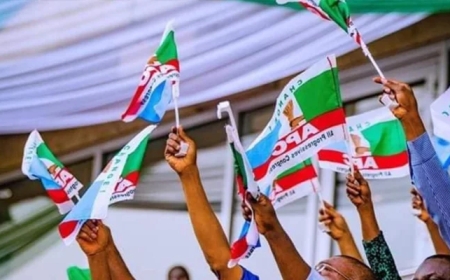
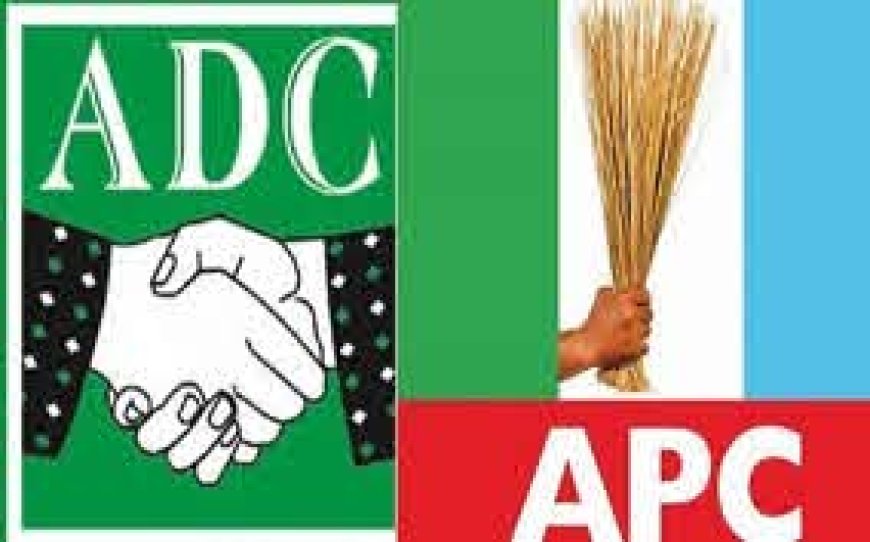
As we approach 2027, the "gathering storm" in the North transcends mere insurgency; it signals a powerful political awakening. The recent wave of defections by prominent Northern governors and senators to the APC emphasises the "old guard" striving to entrench their power. At the same time, the grassroots increasingly rally around the "Obi Mascot" as a symbol of the "Production" they were promised but never delivered.
For the first time, the North is not only paying a price but also witnessing its youth demand a refund. The emerging "New North," driven by the Obidient movement and the Kwankwasiyya group, is no longer satisfied with seeking power for its own sake or supporting a "Northern" candidate regardless of their economic strategy. Instead, they are advocating for power that fosters real Production to eradicate poverty in the region. They want a candidate who can transform the Sambisa Forest into farmland rather than perpetuating patronage systems where local "Godfathers" distribute meagre palliatives.
The New North calls for structural reforms that capitalise on the North’s Comparative Advantages—agriculture and solid minerals. This new generation refuses to wait for Abuja to resolve banditry issues in villages; they demand empowerment for local solutions to protect their own communities. The shift is clear: moving from identity politics to addressing stomach infrastructure.
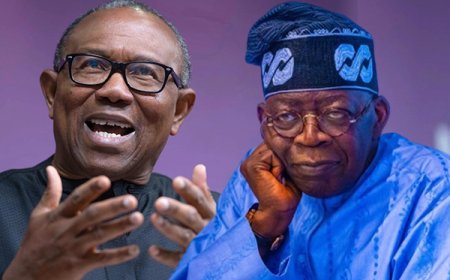
For decades, Northern politics thrived on identity and regional block-voting as directed by the old order. However, in 2026, the Northern youths are realising that simply having "one of our own" in power does not equate to job creation. They are beginning to see Peter Obi not merely as an "Igbo candidate," but as a technical auditor—an "accountant" who will effectively highlight where the North’s wealth and peace have vanished to.
The geopolitical landscape of Northern Nigeria possesses all the necessary attributes to rectify Nigeria’s electoral failures. Yet, it has repeatedly fallen short of this responsibility. The current turmoil that Nigeria and the North find themselves in—the regret surrounding President Bola Ahmed Tinubu’s ascension—serves as a sharp reminder of the consequences that come from choosing the path of least resistance when the opportunity to act decisively presents itself. The selfishness demonstrated by some Northern leaders in seizing ample opportunities has dragged the nation into its current political crisis.
Regrettably, Muhammadu Buhari departed without witnessing the chaos stemming from his indecision. During his tenure, as a strategic Northern leader, he had a golden opportunity to endorse a Southern candidate, especially given the loyalty shown to him by some Southern leaders like the late Ogbonna Onuh, Rotimi Amaechi, and Yemi Osinbajo. Yet, he squandered this opportunity by backing another Northerner, Ahmad Lawan—a decision characterised by rashness and poor judgment.
This lack of prudence sparked discord even within Buhari’s inner circle, as illustrated by Nasir El-Rufai, who found himself supporting an undesirable candidate out of party loyalty. The fallout from this decision is now evident; El-Rufai, along with former Minister of Justice Abubakar Malami, pivotal players in that era are paying the price for their misguided alliances, learning the hard lesson of dining with the devil with a short spoon.
Since the inception of the Fourth Republic and even since Nigeria’s independence, the geopolitical North has never faced such significant political upheaval. Strong indications suggest that, following Tinubu's presidency, the concept of a political North could vanish altogether. The region must take decisive action before 2027 to extricate itself from this quagmire; failing to do so risks losing its political hegemony—one that has dominated the nation for 46 of its 66 years, spanning both military and civilian regimes with only poverty of the people to show.
It is essential to recognise that following Bola Tinubu’s presidency, the political landscape in Northern Nigeria may undergo significant changes. While Northern Nigeria will continue to exist geographically, its political influence could diminish irretrievably. This shift presents an opportunity for leaders to reflect on past decisions where self-interest took precedence over collective progress, and to embrace a more united approach moving forward.
There are several compelling reasons for Northern leaders to reconsider their stance toward the Igbo community: Historical alliances between the Igbo and the North have fostered stability, evidenced by partnerships such as Shehu Shagari and Alex Ekwueme. The marginalisation of the South East calls for empathy and support from the North. The Igbo present a strong presidential candidate in Peter Obi, who aligns with the values of justice and fair play essential for national stability.
The Igbo have consistently supported Northern candidates in past elections, showcasing their commitment to a united political front.
Looking back at elections in 1999, 2003, 2007, and 2019, the support of the Igbo for candidates endorsed by the North has been evident. The Igbos have played a pivotal role in the Peoples Democratic Party (PDP), while in power and in opposition, and their continued involvement is crucial for political cohesion.
As the North contemplates its future, it faces a leadership crisis, with organisations like the Arewa Consultative Forum (ACF) and the Northern Elders Forum (NEF) losing traction among a new generation of Northern youth.
Younger, progressive minds should be listened to as they are increasingly drawn to Peter Obi, recognising the potential benefits of the "Igbo Model" of commerce and entrepreneurship for revitalising Northern Nigeria's economy. Acknowledging the persistent challenges of trust within regional politics is vital, as perceptions of Igbo aspirations have often been misconstrued.
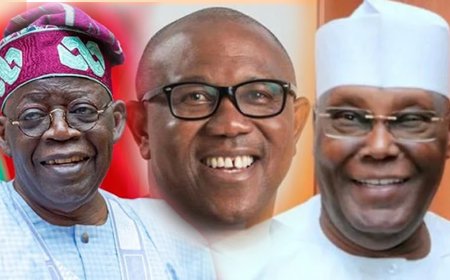
The emerging "Obi Factor" and discussions surrounding the ADC Coalition are clear indicators that the North is in search of fresh leadership dynamics. The current sentiment of dissatisfaction with perceived marginalisation by the Tinubu administration highlights the urgency for the North to explore alternatives, including the possibility of a ticket featuring Peter Obi and a strong Northern running mate. This route could serve as a strategic pivot while still adhering to principles of zoning. The excitement of the youthful Kwankwasiyya members over a likely Obi-Kwankwaso romance on March 15, 2026, in Kano, delivered a punchy statement that should not be ignored.
As Northern youths increasingly identify with the Obidient movement, they encounter concerns that a second term for Obi might delay opportunities for Northern leadership. Instead, they argue that the discontent to be faced under a Tinubu second term would be far more detrimental. But noting however that Obi’s stand on making his impact in four years erases the second-term apprehension given his principled and verifiable antecedents.
Internally, we need to observe that a fragmentation within Northern politics still exists, indicating a departure from traditional alliances. This indecision arises from diverse interests: traditionalists who prioritise regional stability, and a more pragmatic faction that sees value in collaboration with Igbo leaders to pursue a "New Nigeria" vision.
The critical question for Northern leaders is how to navigate this indecision as we approach 2026 and prepare for the challenges ahead in 2027. If there is a consensus that the current administration has sidelined Northern interests, there is potential for healing past grievances and forging a new alliance with a new bloc. The successful partnership formed soon after the Civil War serves as a testament to the possibilities of collaboration.
Finally, as the geopolitical North stands at this crucial juncture, it is important to consider the lessons of history and the need to prioritise collective progress over individual grievances, fostering a more unified and prosperous future for all. And to note that evil often draws power from indecision and only a wise man turns chance into good fortune. God help us.
What's Your Reaction?
 Like
0
Like
0
 Dislike
0
Dislike
0
 Love
0
Love
0
 Funny
0
Funny
0
 Angry
0
Angry
0
 Sad
0
Sad
0
 Wow
0
Wow
0