

















Fading Echoes of Eastern Pride: A Narrative of S'east Political Elite Families and Last Active Voice
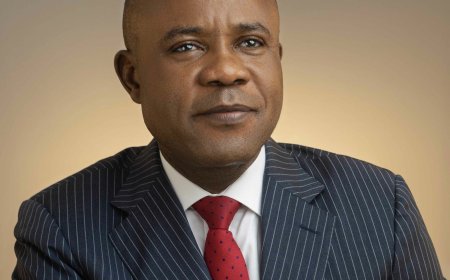
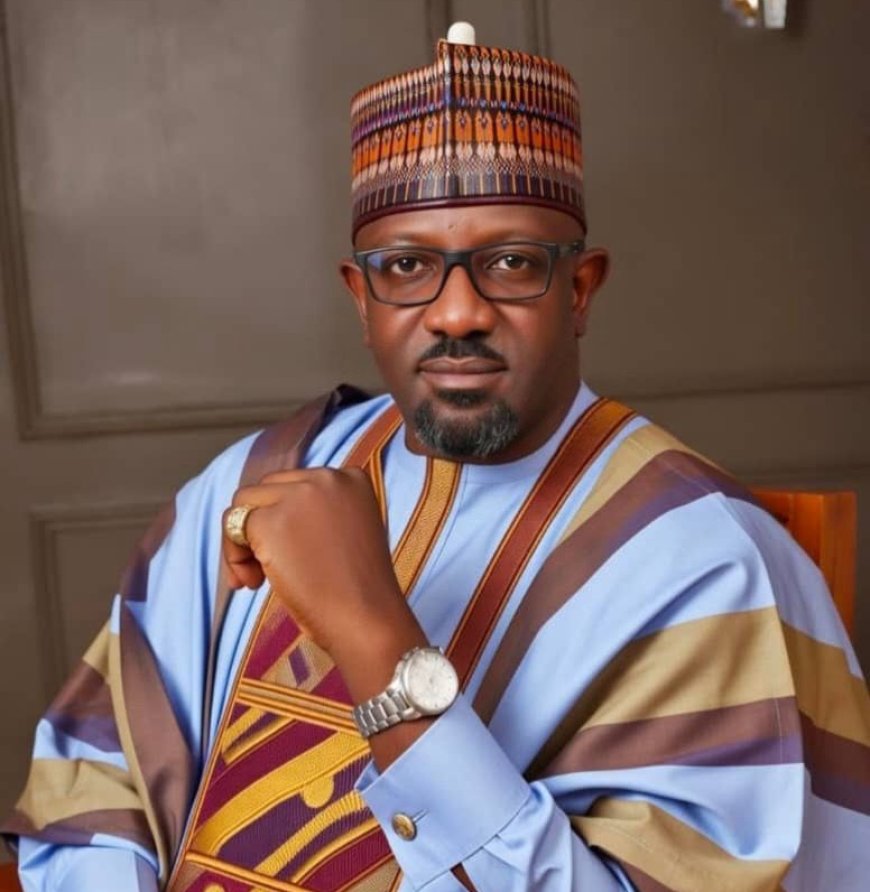
Denge Josef Onoh emerges as the last politically active voice from the old elite families, a remnant of the old guard's principled lineage



By Prof. Jerome Ayiam.
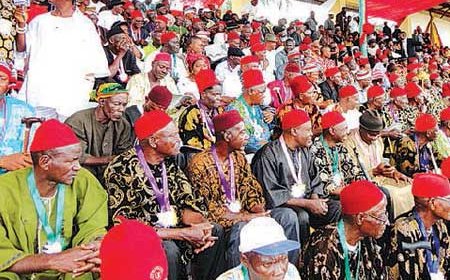
The political landscape of Southeast Nigeria, historically known as the Eastern Region, has long been shaped by a cadre of visionary leaders whose legacies embodied the "Eastern Pride"—a blend of intellectual rigor, nationalist fervor, and principled governance that propelled the region through Nigeria's formative years. This era, spanning the First Republic (1960–1966) and the brief but tumultuous Biafran interlude (1967–1970), was dominated by elite families whose scions were often educated abroad, steeped in pan-African ideals, and committed to regional development and national unity. However, as Nigeria transitioned through military rule, the Second Republic (1979–1983), and into the Fourth Republic (1999–present), these distinguished lineages have largely faded from active partisan politics, giving way to a new breed of "new money" politicians—often self-made businessmen or opportunists lacking the ideological depth and ethical moorings of their predecessors. In this vanishing tapestry, Denge Josef Onoh emerges as the last politically active voice from these old elite families, a remnant of the old guard's principled lineage amidst a sea of visionless newcomers.
#The Golden Age of Eastern Pride: The Old Notable Political Elite Families
The roots of Southeast Nigeria's political elite trace back to the pre-independence era, when Igbo leaders played pivotal roles in Nigeria's struggle for self-rule and post-colonial nation-building. These families were not mere power brokers but custodians of a vision for an equitable, industrialized Nigeria, often drawing from global influences like the American civil rights movement and African socialism. Key figures included:
- **Nnamdi Azikiwe (Zik of Africa, 1904–1996)**: From Onitsha in Anambra State, Azikiwe was Nigeria's first President (1963–1966) and a towering nationalist. As founder of the National Council of Nigerian Citizens (NCNC), he championed pan-Africanism and education as tools for empowerment. His family, rooted in traditional Igbo aristocracy, produced descendants like Chukwuma Azikiwe, who briefly served as a senator in the 1980s, but the lineage has since retreated from frontline politics, with no prominent active figures today.
- **Aja Nwachukwu (1918–2003)**: A key minister in the First Republic, serving as Federal Minister of Education under Azikiwe's influence. From Isuikwuato in Abia State, Nwachukwu exemplified the old brigade's focus on human capital development, establishing institutions like the University of Nigeria, Nsukka. His family, tied to Igbo intellectual circles, has no notable active political descendants, with influence waning post-civil war.
- **Michael Okpara (1920–1984)**: Premier of the Eastern Region (1959–1966), Okpara was an economic visionary, transforming the East into Nigeria's fastest-growing region through agricultural revolutions like the oil palm estates and industrial projects. From Umuahia in Abia State, his family's political footprint faded after his death, with no direct heirs maintaining significant roles in contemporary politics.
- **Francis Akanu Ibiam (1906–1995)**: Governor of the Eastern Region (1960–1966) and a medical doctor turned statesman. From Afikpo in Ebonyi State, Ibiam renounced his British knighthood in protest against colonial policies during the Biafran War. His lineage, focused more on philanthropy, has not produced active politicians in recent decades.
- **Chukwuemeka Odumegwu Ojukwu (1933–2011)**: Leader of the Biafran secession (1967–1970) and son of billionaire businessman Sir Louis Odumegwu Ojukwu. From Nnewi in Anambra State, Ojukwu's family represented the intersection of wealth and nationalism. His widow, Bianca Ojukwu (née Onoh), has been intermittently active as an ambassador and APGA figure, but her role is more ceremonial than frontline partisan engagement. Ojukwu's direct descendants, like Emeka Ojukwu Jr., have dabbled in minor roles but lack sustained influence.
Other dynasties included the Nwodo family from Enugu, with Igwe J.U. Nwodo (minister in the Eastern Region) and sons like Okwesilieze (former Enugu governor) and Nnia (Ohanaeze president and minister); the Mbadiwe family from Imo, led by K.O. Mbadiwe (First Republic minister); and the Okeke-Ojiudu family from Anambra, with P.N. Okeke-Ojiudu (agriculture minister). These families prioritized collective progress—building infrastructure, fostering education, and resisting colonialism—over personal enrichment.
The Biafran War (1967–1970) decimated this elite, with many killed, exiled, or economically crippled. Post-war marginalization under federal policies further eroded their influence, as military regimes (1966–1979, 1983–1999) suppressed Igbo political resurgence.
#The Disappearing Distinguished Lineages: From Dominance to Decline
By the Second Republic, remnants of these families reemerged, but fragmentation set in. Christian Onoh, governor of old Anambra State (1983), bridged the old and new eras, drawing from the Eastern Pride's ethos of integrity. However, the Fourth Republic saw a shift: economic liberalization bred "new money" politicians—oil magnates, contractors, and traders—who entered politics for self-aggrandizement rather than vision. Dynasties like the Azikiwes and Okparas faded as descendants pursued private lives or minor roles, unable to compete with cash-fueled campaigns.
The Nwodos remain somewhat visible through Nnia's socio-cultural leadership, but partisan activity has dwindled. The Ojukwu lineage clings via Bianca, yet her influence is diluted in a male-dominated arena. This decline reflects broader trends: intermarriage, migration, and the civil war's trauma dispersed these families, while godfatherism favored newcomers like Peter Obi (business background) or Dave Umahi (engineering/contracting roots).
#Denge.Josef Onoh: The Last of His Kind
Amid this eclipse, Denge. Josef Onoh stands as the final active torchbearer of the old Eastern Pride. Born into the Onoh dynasty, he is the son of Christian Chukwuma Onoh (1927–2009), a Second Republic governor whose tenure emphasized accountability and development, echoing the old brigade's principles. Christian Onoh, a lawyer and farmer, resisted military overreach and fostered regional unity, notably through his daughter's marriage to Ojukwu, linking two elite lineages.
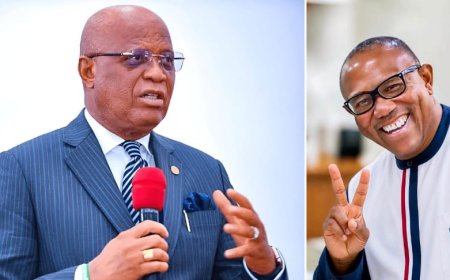
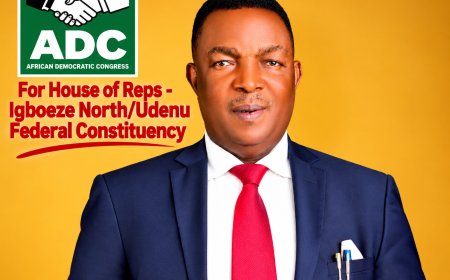
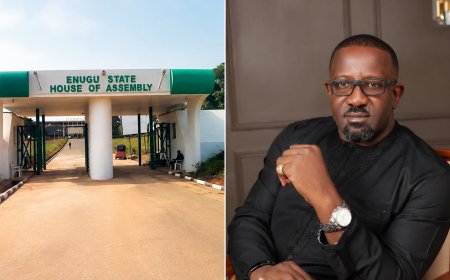
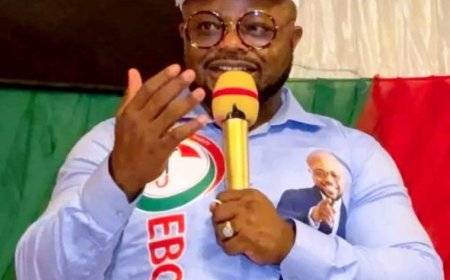
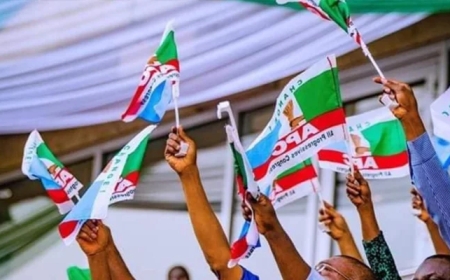
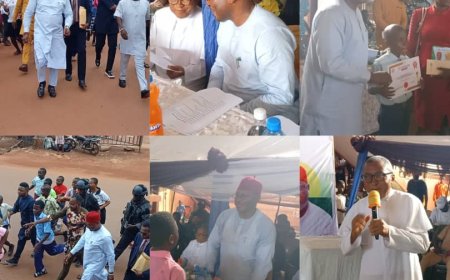
A psychologist and former Enugu State assembly member (2003–2007), Senior Special adviser to the Governor on security and Special projects,(2015-2019) chairman joint tax force on ministry of Environment and Capital Territory, (2019), Commissioner office of the Governor and executive chairman Enugu capital territory development authority (2019-2022) re-appointed Executive chairman Enugu capital territory development authority (2022-2023), PDP Gubernatorial aspirant 2023, Denge Josef Onoh has carved a niche in the All Progressives Congress (APC), serving as Southeast spokesman for President Bola Tinubu's 2023 campaign and chairman of the Forum of Former Enugu Assembly Members. His advocacy—critiquing gender imbalances in party committees, defending presidential policies, and pushing for regional equity—mirrors the old elite's focus on justice and inclusion.
Unlike fading peers, Onoh remains vocally partisan, challenging betrayals and advocating political solutions for issues like Nnamdi Kanu's release. He embodies the disappearing distinguished lineages—rooted in bravery, education, and vision—while others like the Nwodos pivot to non-partisan roles. The likes of Denge Josef Onoh are the last of their kind, and such principled figures may not be seen again in the region, as the generational torch dims without heirs willing or able to carry it forward.
The New Money Politicians: A Departure from Principles and Vision
Today's Southeast politicians lack the old brigade's ideological anchors. Driven by wealth from oil, contracts, or imports, they prioritize personal empires over regional upliftment, leading to corruption scandals and stalled development. Unlike Azikiwe's pan-Africanism or Okpara's economic blueprints, they exhibit opportunism—switching parties for gain and neglecting infrastructure. This shift has deepened inequality, with the Southeast lagging in federal allocations and investments, a far cry from the Eastern Pride's golden era.
These new politicians often rebel against the old brigade, viewing their predecessors' legacies as threats to their unbridled ambitions. Feeling insecure about the moral authority and intellectual stature of the old elite, they hesitate to bring them close, preferring to sideline or undermine remnants of these families to consolidate power. This rebellion has exacerbated the loss of generations marked by strong vision and character, leaving behind a political buccaneer arena where opportunism trumps strategy, and short-term gains eclipse long-term regional prosperity.
In conclusion, Denge. Josef Onoh's persistence marks the twilight of an era. As the last active scion of these storied families, he reminds us of a principled past, urging a return to vision amid the hollow pursuits of the present. The Southeast needs to look within to reassess their values, their choice of political leaders and representatives if they seek to build a new future for their region to benefit from Nigeria. Only by honoring the Eastern Pride's ethos can the region reclaim its place in the national narrative.
What's Your Reaction?
 Like
0
Like
0
 Dislike
0
Dislike
0
 Love
0
Love
0
 Funny
0
Funny
0
 Angry
0
Angry
0
 Sad
0
Sad
0
 Wow
0
Wow
0