
















Intersociety Alleges ‘Eight Atrocity Policies’ Behind Low South-East Recruitment into Security Forces
Intersociety lists reasons Igbo youths are not enthusiastic about joining military, police among other things

Our Reporter


Onitsha, Anambra State — The International Society for Civil Liberties and Rule of Law (Intersociety) has alleged that a series of government policies and security force actions since 2015 have contributed to declining interest among South-East youths in joining Nigeria’s military and police.
In a statement issued Tuesday in Onitsha, the group said it had identified “eight major atrocity-policies and conducts” which it claims have discouraged many Christian parents in the region from allowing their children, particularly those aged 18 and above, to enlist in the armed forces and other security agencies.
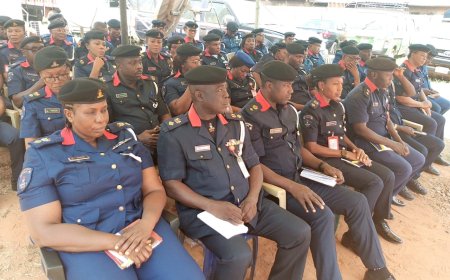
The disclosure comes amid concerns reportedly expressed by the Nigerian Army over what it described as low recruitment turnout from the South-East. According to Intersociety, only 123 applicants from the region were recorded out of about 38,000 nationwide recruitment slots in recent exercises.
Key Allegations:
The rights group attributed the trend to alleged long-standing grievances, including claims of extrajudicial killings, enforced disappearances, and destruction of property during military operations in the South-East.
It further alleged that parents in the region have lost “thousands of young men” between the ages of 18 and 40 in incidents linked to security operations, leading to deep mistrust of state institutions.
Among the issues raised, Intersociety cited:
Alleged lack of accountability for killings and abductions during counter-insurgency and internal security operations.
Claims of discriminatory practices and profiling in military deployments.
Reports of destruction of homes and displacement of communities during operations targeting separatist activities.
Concerns over alleged imbalance in the composition of security leadership in the region.
The group also referenced past reports by international organizations such as Amnesty International, which have documented allegations of excessive use of force by Nigerian security agencies in previous years.
Historical Context:
Intersociety linked some of the concerns to events dating back to operations against pro-Biafra agitators between 2015 and 2017, as well as the 2020 unrest in parts of Rivers State, including Obigbo.
The group also cited broader security challenges in Nigeria, including the long-running insurgency by Boko Haram in the North-East, alleging disparities in how different threats are handled by authorities.
Call for Accountability:
According to the statement, several reports documenting these allegations have been submitted over the years to government authorities and security agencies, but the group claims they have not been adequately addressed.
It argued that failure to investigate and respond to such claims has worsened distrust among residents of the South-East, contributing to reluctance among youths to pursue careers in the military or police.
No Official Response Yet:
As of the time of filing this report, there was no official response from the Nigerian military or federal authorities regarding the latest claims.
Security agencies have, in the past, maintained that their operations are guided by rules of engagement and aimed at maintaining national security.
Broader Implications
Analysts say the issue of regional representation in Nigeria’s security forces remains sensitive, particularly in a country with diverse ethnic and religious identities. Concerns about recruitment imbalances and public trust in security institutions continue to generate debate among policymakers and civil society groups.
Intersociety urged the federal government to investigate its claims, ensure accountability, and implement reforms aimed at restoring confidence among South-East communities.
The group's position Paper was signed by: Emeka Umeagbalasi, Criminologist and Graduate of Security Studies; Chidinma Evangeline Udegbunam, Esquire; Obianuju Joy Igboeli, Esquire; Comrade Chibueze Nwajiaku; Deputy Head, Dept. of Policing and Law Enforcement.
What's Your Reaction?
 Like
0
Like
0
 Dislike
0
Dislike
0
 Love
0
Love
0
 Funny
0
Funny
0
 Angry
0
Angry
0
 Sad
0
Sad
0
 Wow
0
Wow
0