






















NBA President, Osigwe, indicts Judges, lawyers as worst bribe takers, givers
Osigwe lamented that the judiciary, once revered as the last hope of the common man, is increasingly perceived as a marketplace where justice is auctioned to the highest bidder

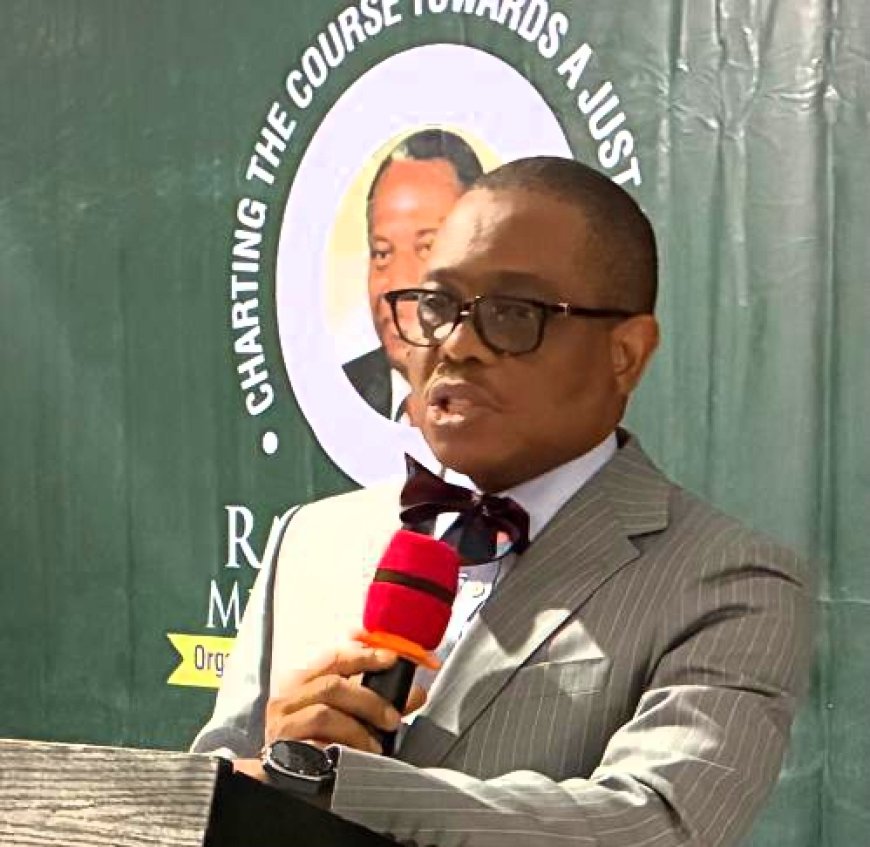
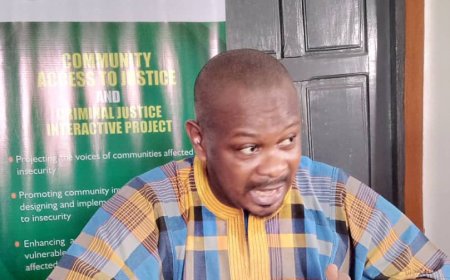
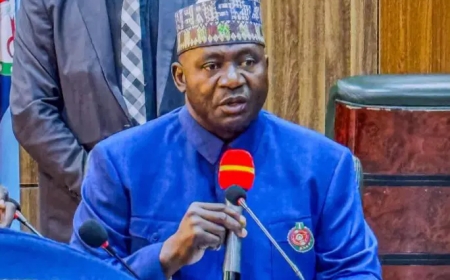
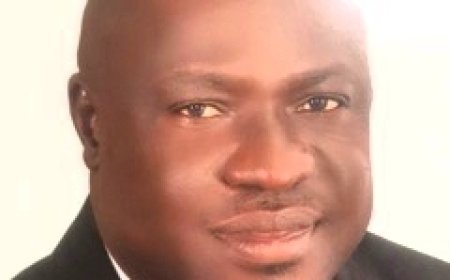
Mazi Afam Osigwe, SAN, the President of the Nigerian Bar Association (NBA), has accused judiciary officers, both in the bar and in the bench as the most corrupt set of Nigerians, who give and take bribes.


Osigwe said that most judgments in the country now depend on the fatness of envelopes other than quantum evidence.
He said that the situation has become a “moral crisis and a democratic emergency” that threatens the very foundation of Nigeria.
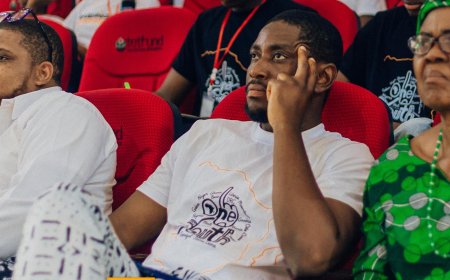
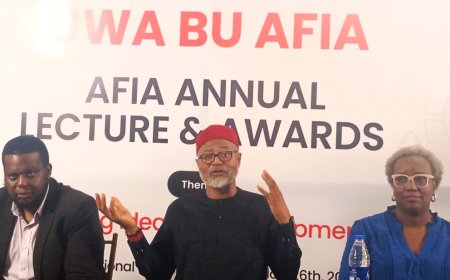
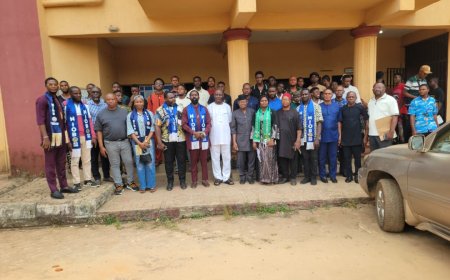
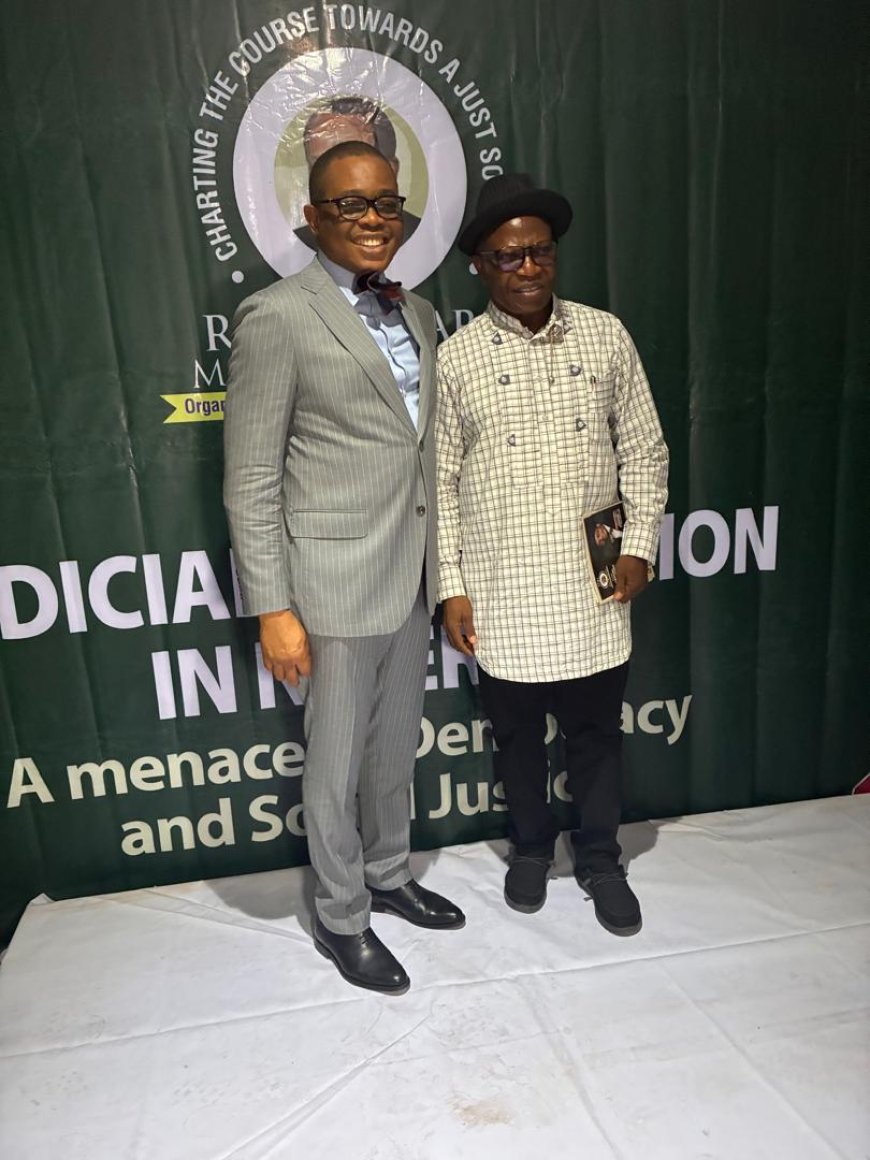
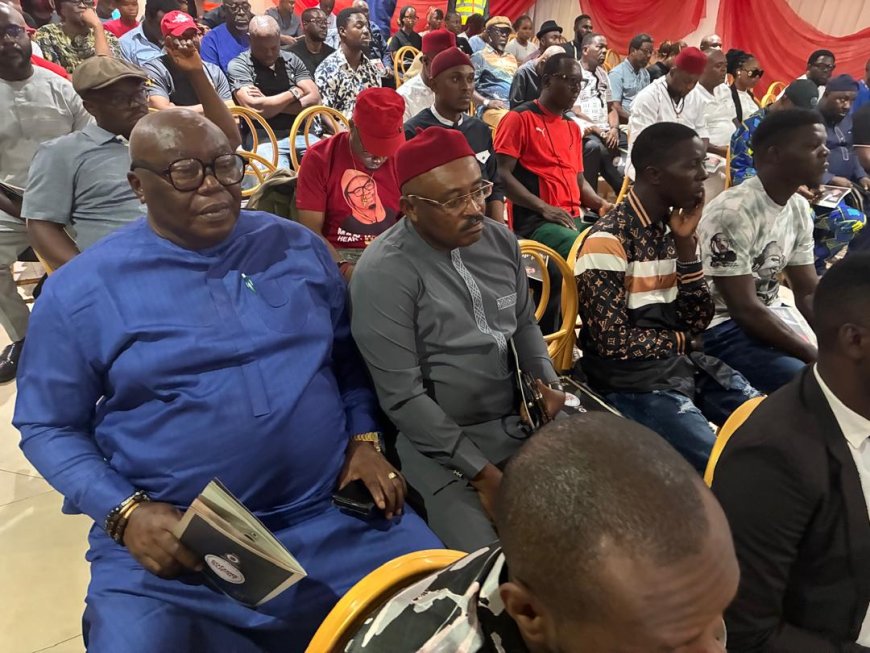
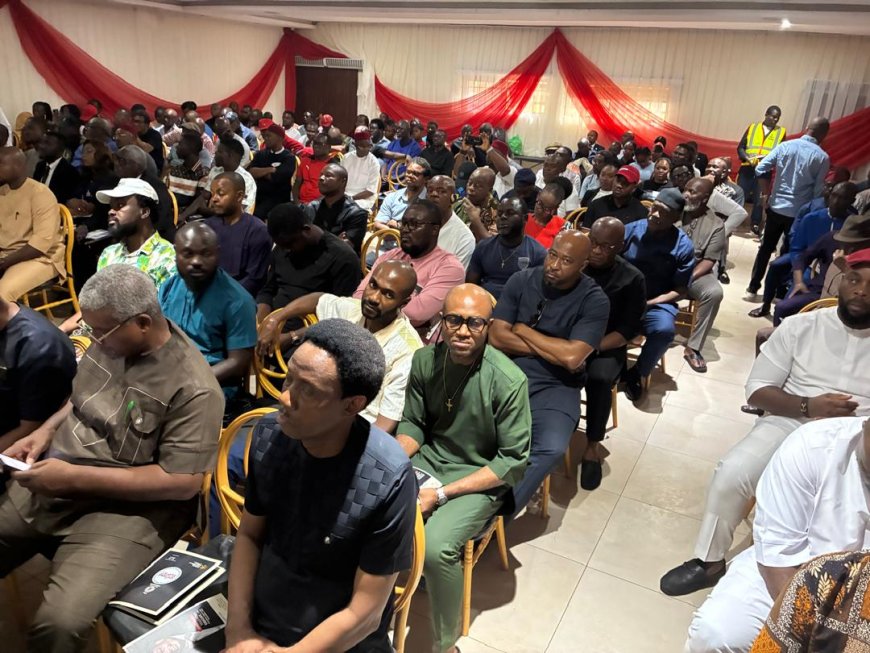
Osigwe spoke, on Friday, at Ralph Opara Memorial Lecture organised the National Association of Seadogs in Enugu with the theme: “Judicial Corruption in Nigeria; A Menace to Democracy and Social Justice”,
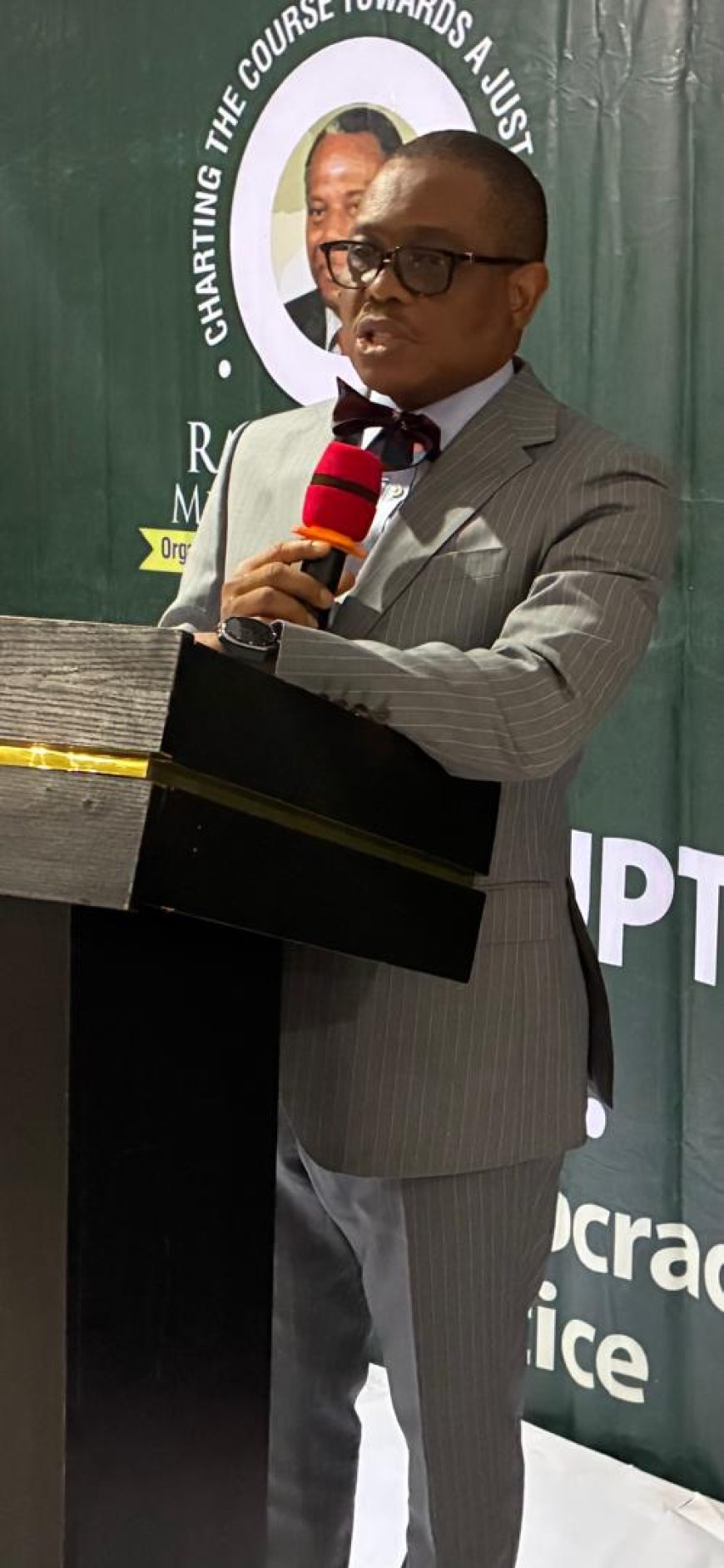
Osigwe lamented that the judiciary, once revered as the last hope of the common man, is increasingly perceived as a marketplace where justice is auctioned to the highest bidder.
He noted that this systemic decay has led to widespread disillusionment among citizens, who now view courtrooms as arenas where rulings are influenced by “envelopes rather than evidence.” The NBA leader emphasized that without an honest criminal justice system, the wealthy and powerful can escape the consequences of their crimes, effectively reducing the perceived cost of corruption and feeding a culture of impunity.
Citing alarming data, Osigwe referenced a 2024 survey by the UNODC and the National Bureau of Statistics, which revealed that public officials received approximately N721 billion in cash bribes in 2023, with judges ranking among the top recipients. He further pointed to an ICPC survey estimating that N9.4 billion was involved in bribes within the justice sector between 2018 and 2020, with lawyers and litigants identified as primary bribe-givers.
This internal rot, he argued, has decimated public trust, noting that Transparency International’s 2024 Corruption Perceptions Index ranked Nigeria 140th out of 180 countries. According to Osigwe, the situation is worsened by a “weak and compromised” system that allows elites to insulate themselves from accountability while the poor suffer the most.
The NBA President highlighted the international repercussions of this domestic crisis, pointing out that foreign courts are increasingly bypassing the Nigerian judiciary.
He cited the Okpabi v Royal Dutch Shell case in the UK Supreme Court, where Niger Delta communities were allowed to sue in English courts because they were unlikely to obtain effective justice at home.
Similarly, he referenced the P&ID arbitration saga, where a multi-billion dollar award against Nigeria was set aside in London only after it was proven to have been procured by fraud. These instances, he said, serve as a global vote of no confidence in Nigeria’s legal infrastructure, discouraging foreign investment and stalling national economic growth.
To combat this “insidious plague,” Osigwe called for radical reforms in judicial appointments, advocating for a merit-based system that prioritizes professional skill and integrity over political patronage. He proposed the establishment of state-by-state judicial academies to train and select judges, arguing that the current National Judicial Institute model has failed to yield desired results.
Furthermore, he recommended that the Chief Justice of Nigeria should no longer chair the National Judicial Council (NJC) to prevent the over-concentration of power.
He also pushed for the automation of case assignments to eliminate “judge shopping” and urged for the mandatory suspension of any judicial officer under investigation for criminal offenses to preserve the moral authority of the bench.
Osigwe concluded by reminding stakeholders that the fight against corruption is a collective responsibility involving the Bar, the Bench, and the citizenry. He urged religious and traditional institutions to stop honoring individuals with questionable wealth and called for the full implementation of financial autonomy for the judiciary to curb executive interference.
“History will judge us not by our eloquence, but by our willingness to act,” Osigwe stated, insisting that the “temple of justice” must be cleansed to ensure that the rule of law prevails over the rule of money.
He maintained that the survival of Nigeria’s democracy depends on an incorruptible judiciary that can command respect both locally and internationally.
What's Your Reaction?
 Like
0
Like
0
 Dislike
0
Dislike
0
 Love
0
Love
0
 Funny
0
Funny
0
 Angry
0
Angry
0
 Sad
0
Sad
0
 Wow
0
Wow
0