


















Who are Kurdish People? Read how Trump is planning to use them for war against Iran
The Kurds are one of the oldest ethnic groups in the Middle East. They are believed to have lived for thousands of years in a mountainous region historically known as Kurdistan

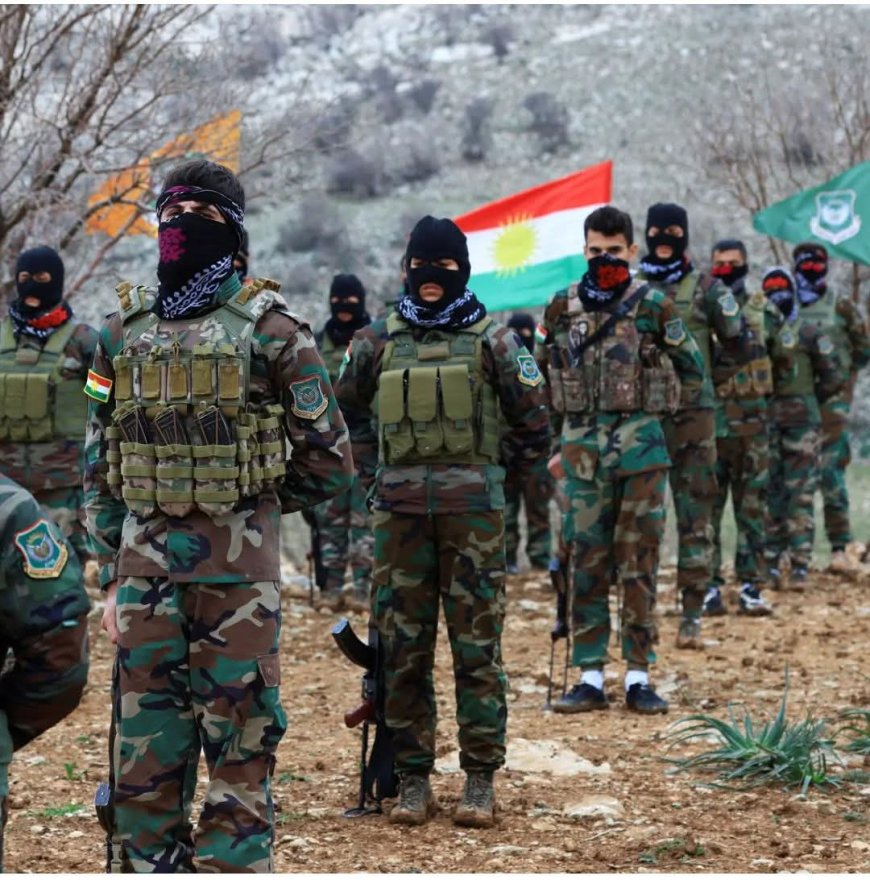
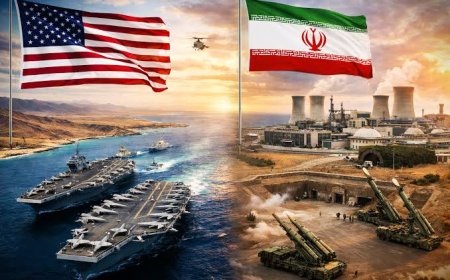
The United States of America, USA, President, Donald Trump, has a different plan on how to prosecute the ongoing war against Iran and to distablize the middle east region.


Trump is planning to use armed Kurdish soldiers, to help America fight the Islamic Republic of Iran. Who exactly are the Kurdish people, and who are these Kurdish soldiers?
The Kurds are one of the oldest ethnic groups in the Middle East. They are believed to have lived for thousands of years in a mountainous region historically known as Kurdistan. Today, the Kurdish population is estimated to be between 35 million and 45 million people, making them one of the largest ethnic groups in the world without their own independent country.
Unlike many nations that have a defined country on the map, the Kurdish people are spread across four major countries: Turkey, Iran, Iraq, and Syria. Because of this, Kurdish communities often grow up speaking different national languages and living under different governments, yet they still maintain a strong shared identity, culture, their Kurdish language and history.
Most Kurds are Sunni Muslims, though there are also Shia Kurds, Yazidis, and small Kurdish Christian communities. Their culture is rich with traditional music, colorful clothing, strong family structures, and a deep sense of community and pride in their heritage.
The reason the Kurds never ended up with their own country dates back to the end of World War I. When the Ottoman Empire collapsed, there were plans under the Treaty of Sèvres in 1920 that suggested the possibility of creating a Kurdish state. But that plan never materialized. Instead, the Treaty of Lausanne in 1923 redrew the map of the region and left the Kurdish people divided among several countries.
Over time, this situation led to various Kurdish movements and armed groups, many of which were formed to defend Kurdish communities or push for greater rights and self-governance.
For example, in Iraq, Kurdish fighters are known as the Peshmerga. These forces serve as the military of the Kurdistan Regional Government, which governs the semi-autonomous Kurdistan Region in northern Iraq. The Peshmerga gained global recognition for their role in fighting the extremist group Islamic State, working alongside international forces.
In Syria, Kurdish fighters organized under groups like the People's Protection Units (YPG), especially during the Syrian Civil War.
Meanwhile, in Turkey, a Kurdish group known as the Kurdistan Workers' Party (PKK) has been involved in a long-running conflict with the Turkish state over Kurdish political rights and autonomy.
Today, the most organized Kurdish political structure exists in northern Iraq, where Kurds run their own regional government with a parliament, security forces, and institutions that function almost like a state.
In 2017, the region even held the 2017 Iraqi Kurdistan independence referendum, where an overwhelming majority of voters supported the idea of independence. However, the move was rejected by the Iraqi government and the wider international community.
In simple terms, the Kurdish story is that of a large nation of people who share a language, culture, and identity, but who were historically divided across several countries by geopolitical decisions made over a century ago.
So when you hear about Kurdish soldiers today, you are often looking at fighters who see themselves not just as members of an army, but as defenders of their people, their land, and a long-standing dream of recognition and self-determination.
What's Your Reaction?
 Like
0
Like
0
 Dislike
0
Dislike
0
 Love
0
Love
0
 Funny
0
Funny
0
 Angry
1
Angry
1
 Sad
0
Sad
0
 Wow
0
Wow
0