










Between Reform and Reality: Intersociety Raises Concerns Over Pope Leo XIV’s African Mission
Pope Leo XIV's African mission excluding Nigeria and other countries is raising concerns for some groups and individuals including Intersociety

Our Reporter


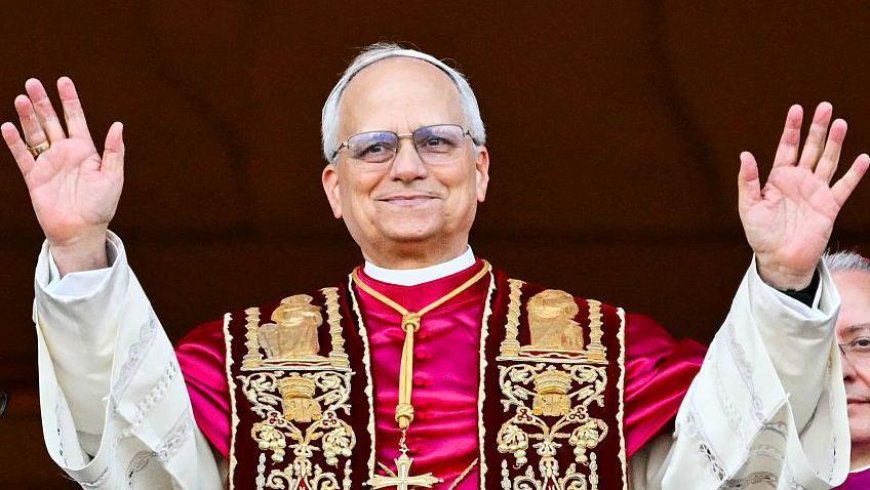
In a moment that has drawn global attention, the leader of the Catholic Church, Pope Leo XIV, commenced his maiden African visit on April 13, 2026. The 10-day pastoral journey, spanning Algeria, Cameroon, Angola, and Equatorial Guinea, has been framed as a mission of peace, unity, and renewal for a continent that holds a significant portion of the world’s Christian population.
Yet, beneath the warm reception and spiritual symbolism, a strong voice from Eastern Nigeria is urging the Vatican to confront what it describes as “fundamental omissions” in both the Pope’s reform agenda and his African itinerary.
A Welcome Message-With Reservations
The International Society for Civil Liberties and Rule of Law, a prominent human rights advocacy group based in Onitsha, has welcomed the Pope’s global message of peace. However, it cautions against what it terms a “peace of the graveyard”—a situation where calls for harmony fail to address the existential threats faced by Christians and other religious minorities.
According to the group, such concerns are particularly urgent in Africa, where millions of Christians reportedly live under varying degrees of threat. The organization argues that peace must not come at the expense of justice, security, and the preservation of religious identity.
The Missing Frontlines
A central criticism from Intersociety lies in the selection of countries included in the papal visit. While acknowledging the significance of Algeria and its historical ties to early Christianity—particularly as the birthplace of Saint Augustine—the group questions the exclusion of countries with larger Catholic populations and more severe security challenges.
Nations such as the Democratic Republic of Congo, Nigeria, Tanzania, Uganda, and Kenya—collectively home to over 140 million Catholics—were omitted from the itinerary. Ethiopia, another historic center of Christianity, was also not included.
For Intersociety, this omission is not merely symbolic but strategic. These countries, it argues, represent the “frontlines” of contemporary Christian persecution, where believers face persistent threats from extremist violence and systemic insecurity. A papal visit, they insist, would have provided not just moral encouragement but also global visibility to their plight.
Reform Begins at Home
Beyond the African tour, the group also turned its attention to internal Vatican reforms. While acknowledging efforts made so far, it insists that deeper structural changes are necessary to reposition the Church as a strong global defender of Christian faith and values.
Particular scrutiny was directed at Pietro Parolin, the Vatican’s Secretary of State, whom the group urged to either “sit up or step aside.” The call reflects broader concerns about leadership accountability within the Church’s highest ranks.
The statement also referenced recent developments, including the resignation of Archbishop Claudio Dalla Zuanna in Mozambique and the decision by Archbishop Pascalis Bruno Sukur of Indonesia to decline elevation to the rank of cardinal—moves interpreted as signs of internal recalibration within the Church.
Representation and Imbalance
Another critical issue raised is what Intersociety describes as an imbalance in the appointment of Cardinal-Electors—those under the age of 80 who are eligible to vote in papal conclaves.
Despite Africa’s growing Catholic population, representation at this level remains limited. Countries like Uganda and Kenya reportedly lack active Cardinal-Electors, while nations such as Nigeria and the Democratic Republic of Congo—each with tens of millions of Catholics—have only one apiece.
This disparity becomes more pronounced when compared to countries like Brazil, the United States, and Mexico, which enjoy multiple Cardinal-Electors despite comparable or smaller Catholic populations.
For Intersociety, this imbalance raises questions about inclusivity and equity within the Church’s global governance structure.
The Nigerian Context
In Nigeria, the concerns take on added urgency. The country’s Catholic community—estimated between 30 and 35 million—faces significant security challenges, particularly in regions affected by insurgency and communal violence.
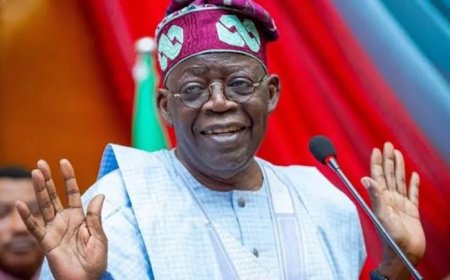
The group was particularly critical of what it described as “double speak” among some Church leaders and alleged alignment with government narratives that downplay religious persecution. It referenced the administration of Bola Ahmed Tinubu, noting controversies surrounding the inclusion of Catholic bishops in official delegations and appointments.
One such case highlighted was that of Bishop Mathew Hassan Kukah, who serves in a government-appointed role, raising questions among critics about the independence of religious voices in matters of national concern.
A Call for Courageous Leadership
In a forward-looking recommendation, Intersociety called for the appointment of new Cardinal-Electors from Nigeria’s most affected regions, particularly the North-East and Middle Belt.
The group singled out dioceses such as Wukari and Makurdi, where clergy and faithful have reportedly endured significant violence and displacement. Bishops in these areas, it argued, have demonstrated resilience and courage—qualities it believes should be recognized at the highest levels of Church leadership.
Faith at a Crossroads
As Pope Leo XIV continues his historic visit, the conversation sparked by Intersociety underscores a broader tension within global Catholicism: the balance between spiritual diplomacy and confronting hard realities on the ground.
For millions of African Christians, the stakes are not merely theological but existential. Their hope, as echoed in this critique, is that the Church’s global leadership will not only preach peace but also actively engage with the challenges threatening their survival.
In the end, the success of the Pope’s reforms and outreach may well depend on how effectively they bridge this gap—between aspiration and action, between symbolism and substance.
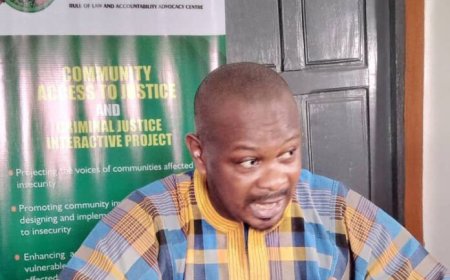
The position of Intersociety is contained in a detailed statement by it's officials, including: Emeka Umeagbalasi; Criminologist and Graduate of Security Studies; Chidinma Evangeline Udegbunam (Esquire), Human Rights Lawyer and Head, Dept. of Campaign and Publicity; Obianuju Joy Igboeli, (Esquire), Human Rights Lawyer/Head, Department, Intersociety; and Engr. Ekene Bede Umeagu, Head, Dept. of Int’l Freedom of Religion and Worship, Intersociety.
What's Your Reaction?
 Like
0
Like
0
 Dislike
0
Dislike
0
 Love
0
Love
0
 Funny
0
Funny
0
 Angry
0
Angry
0
 Sad
0
Sad
0
 Wow
0
Wow
0