
































Survey indicates more widows in South East than other zones
Enugu State is leading the rest of the 36 states and the FCT with 22.7% widowhood

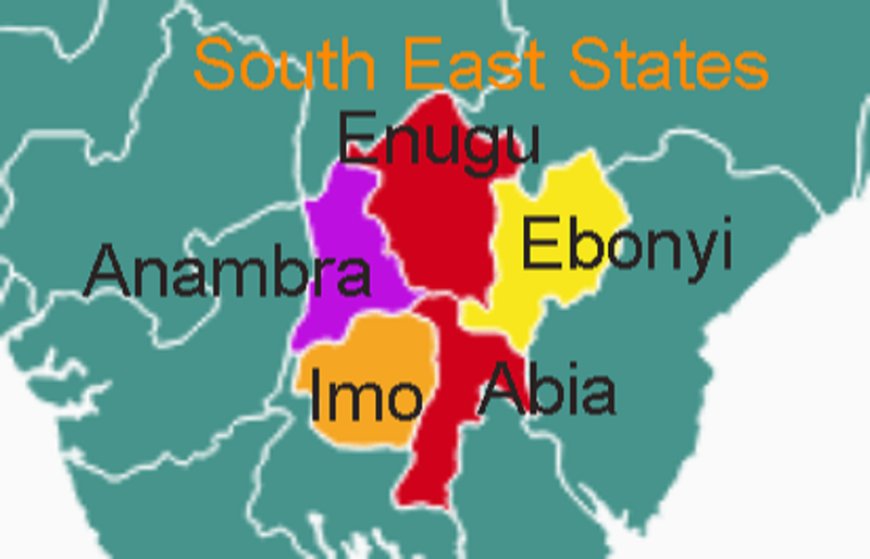
The Nigerian Living Standards Survey (NLSS) has indicated that the five states in the south have more prevalence of widows than other zones in the country.


The NLSS is a household-based survey conducted by the National Bureau of Statistics in collaboration with the World Bank which aims to gather data on the living conditions of Nigerians, including demographics, access to education and healthcare, employment, assets, and income.
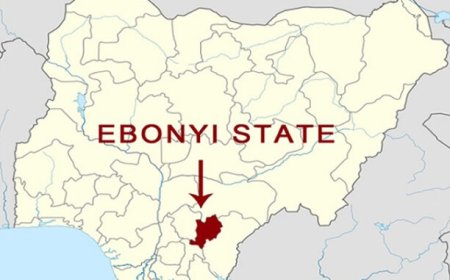
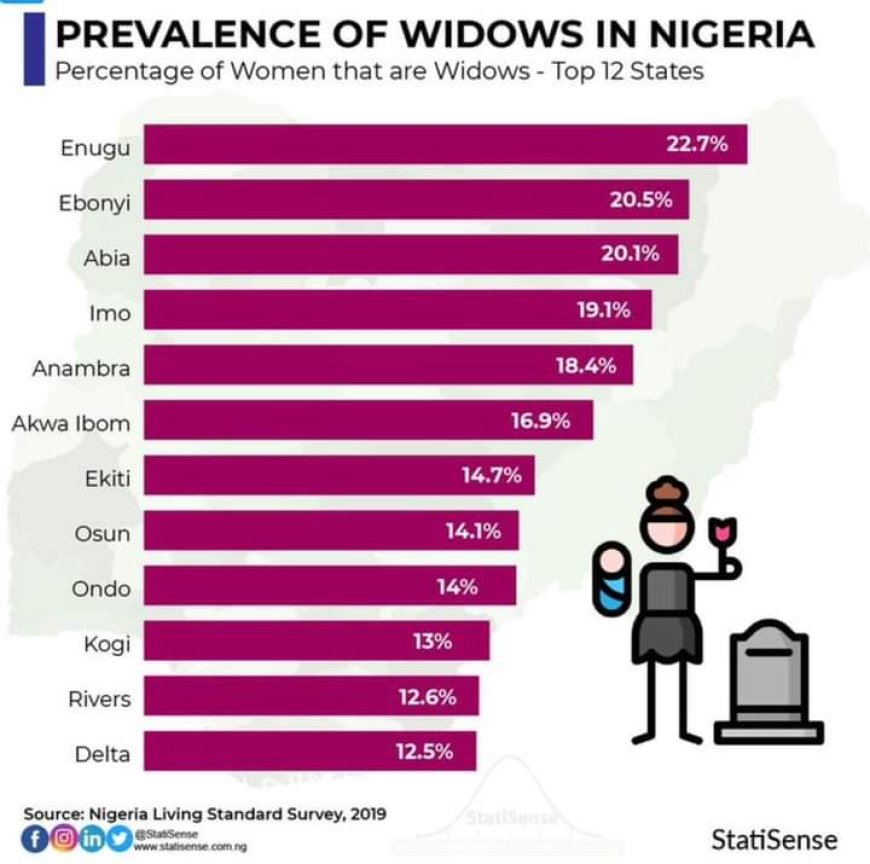
In it's indicator, Enugu State is leading the rest of the 36 states and the FCT with 22.7% widowhood, followed by Ebonyi state with 20.5%, while Abia state has 20.1%, Imo State 19.1% and Anambra, 18.4%.
The South East is closely followed by Akwa Ibom state with 16.9%, Ekiti state with 14.7% and Osun state 14.1%.
A Community leader, Prince Onyeka Okwor attributed the high prevalence of widows in the south east to the people's knack for money making and which in most cases lead them to numerous travels across the Nigeria bad roads and insecurity.
"Here living is a matter of life and dead. Pursuit of money as if life is just about money or nothing. High risk activities like long travels across poor road and insecurity infrastructure, high unmet targets. I must succeed with money or nothing, etc." Okwor said.
The NLSS survey is used to track poverty levels, measure socio-economic indicators, and benchmark progress on Sustainable Development Goals. It provides a comprehensive picture of living standards in Nigeria, focusing on poverty, inequality, and overall well-being.
The survey collects data on various aspects of household and individual lives, including age, gender, marital status, etc. Access to services such as education, healthcare, basic amenities and employment status.
The NLSS revealed that poverty rates are higher in rural areas compared to urban areas. Poverty levels vary across different regions of Nigeria, with the Northeast and Northwest often experiencing higher rates. The survey results are used to track poverty trends, monitor progress on development goals, and inform policy decisions.
What's Your Reaction?
 Like
0
Like
0
 Dislike
0
Dislike
0
 Love
0
Love
0
 Funny
0
Funny
0
 Angry
0
Angry
0
 Sad
0
Sad
0
 Wow
0
Wow
0